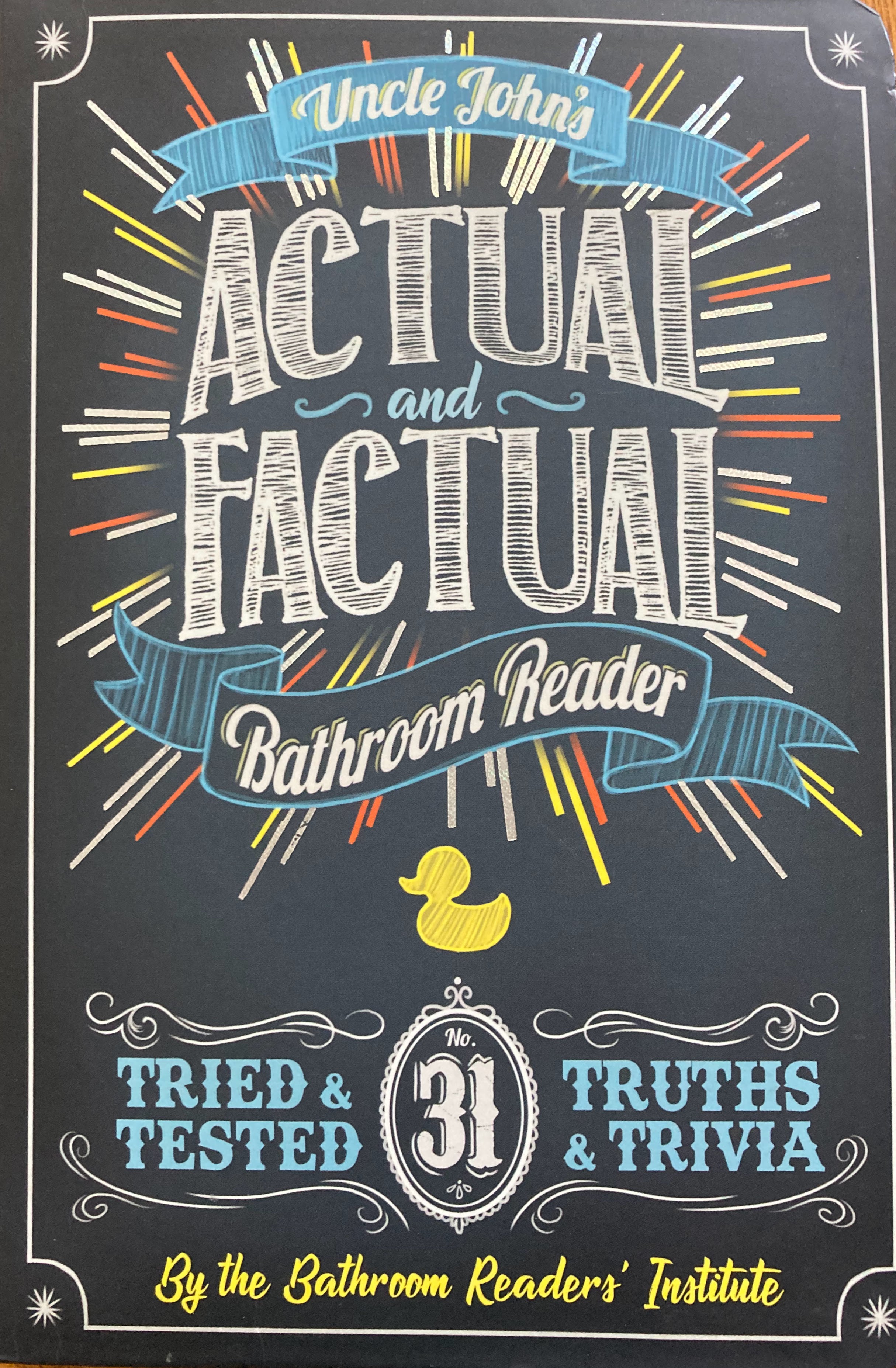
Alright, I confess – I get a lot of my information (okay, to be really honest, trivia) from the Uncle John’s Bathroom Reader series (Portable Press, San Diego).
Over the years I’ve read many editions (now up to 37, which is what I’d call a really successful publishing run), and I never tire of the fascinating material Uncle John digs up. [For a history of the Bathroom Reader series check out my second main information source, Wikipedia.]
The 31st annual (2018) includes an article entitled Thou Shalt Read!, which discusses the 400-year history of children’s literature (pp. 427-432).
Way back in the 1600’s, books for children were heavy on instruction. Enjoyment? Not so much. Fortunately, things began to change. The author of this article refers to the English philosopher John Locke, who suggested in Some Thoughts Concerning Education (1693) that children should be treated as human beings in whom rationality needed fostering.
Children’s literature should be fun, Locke advised. “If children enjoy reading instead of dreading it,” he declared, “there will be very little need for blows or force’ in their education.” Further, Locke maintained, children’s books should share stories rather than focus on merely learning to read.
I’d like to say the rest is history, and the world started producing entertaining books for kids. Of course, things did not change overnight. The article goes on to talk about the (slow) evolution of children’s literature, and takes note of its many innovators – John Newbery, the 18th century English bookseller and publisher of The History of Little Goody Two-Shoes; the 19th century Lewis Carroll (of Alice in Wonderland fame); Dr. Seuss; Ezra Jack Keats; and J.K. Rowling.
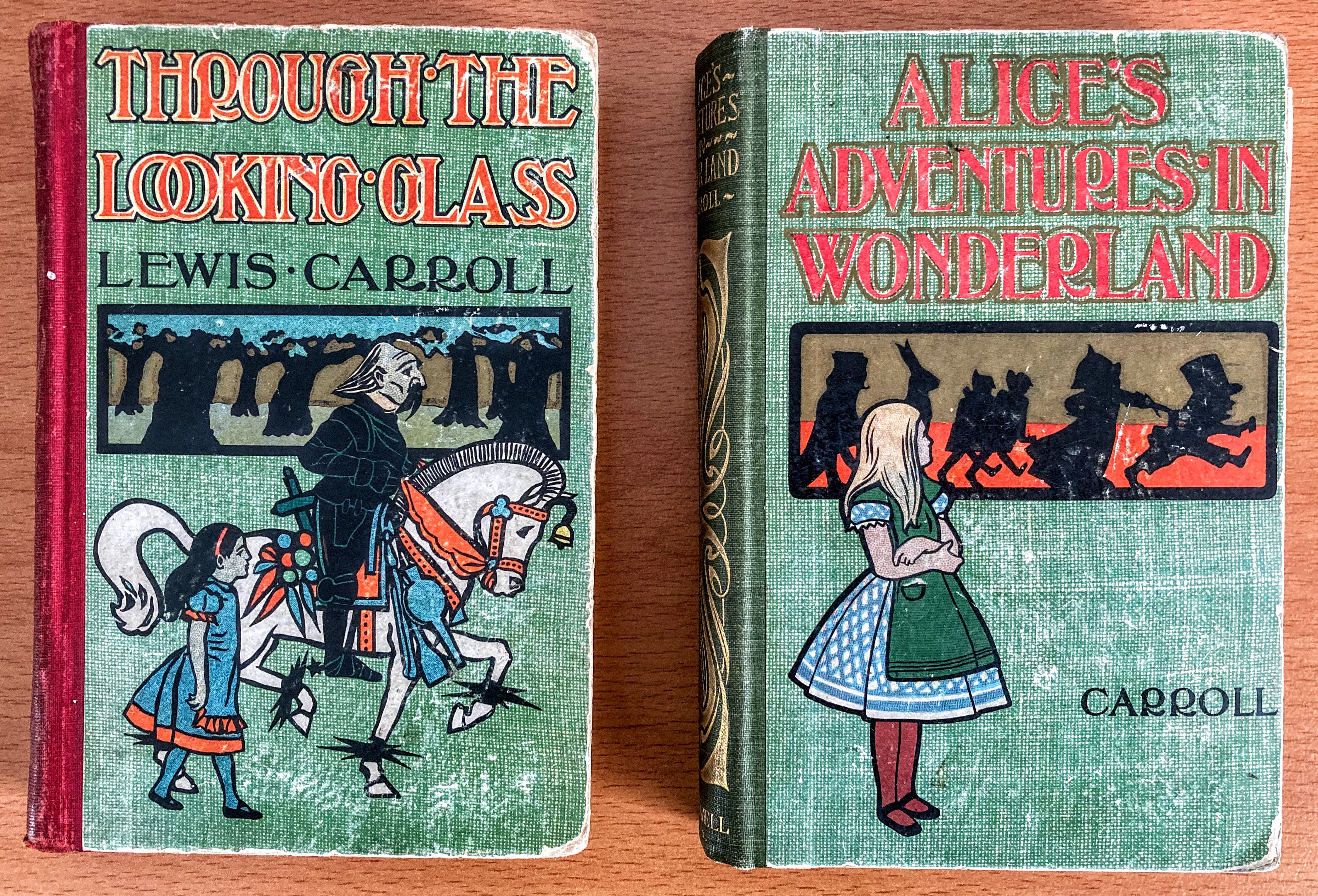
My Ottawa grandmother’s Lewis Carroll set from 1893.
The article ends with a short list (only nine in total) of other “groundbreaking” kids’ books by famed authors such as Judy Blume and Maurice Sendak. Naturally, in a brief six page article, Uncle John can only cover so much detail. A great deal is left out – fairy tales, A.A. Milne, Robert Louis Stevenson, Kenneth Graham, Mary Norton, Eric Carle, etc.
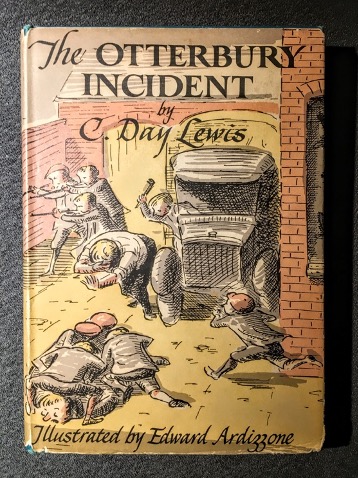
And what’s a great book for children without great illustrations. Let’s not forget the many artists who also deserve attention, such as Ernest (E.H.) Shephard (Winnie the Pooh), William Nicholson (The Velveteen Rabbit; more on him on another date), Clement Hurd (of Runaway Bunny and Goodnight Moon fame) and Edward Ardizzone. The picture below is of a book I particularly enjoyed as a child (and still have around).
I’d be remiss if I didn’t make special mention of those rare talents who combine both creative abilities (author and artist). In my view, the following stand out amongst the field – Beatrix Potter (Peter Rabbit, etc.), Maurice Sendak (Where The Wild Things Are, etc.), Eric Carle (The Hungry Caterpillar, etc.), Margaret and H.A. Ray (the Curious George series), Theodore Geisel (Dr. Seuss; The Cat in the Hat, etc.), William Steig (Shrek, Doctor De Soto), Chris Van Allsburg (The Polar Express, Jumanji) and Tomie dePaola (the Strega Nona series), to name but a few.
For a more complete study of the topic, I’d recommend Wild Things: The Joy of Reading Children’s Literature as an Adult by Bruce Handy (Simon & Schuster, New York, 2017). Most people come into contact with books for children, first as a child and then as a parent, when searching books to read out loud (bedtime reading – ‘only one more chapter and then lights out’). Reading to my children (and grandchildren) at any time of day, it must be said, has been one of the great joys of my life.
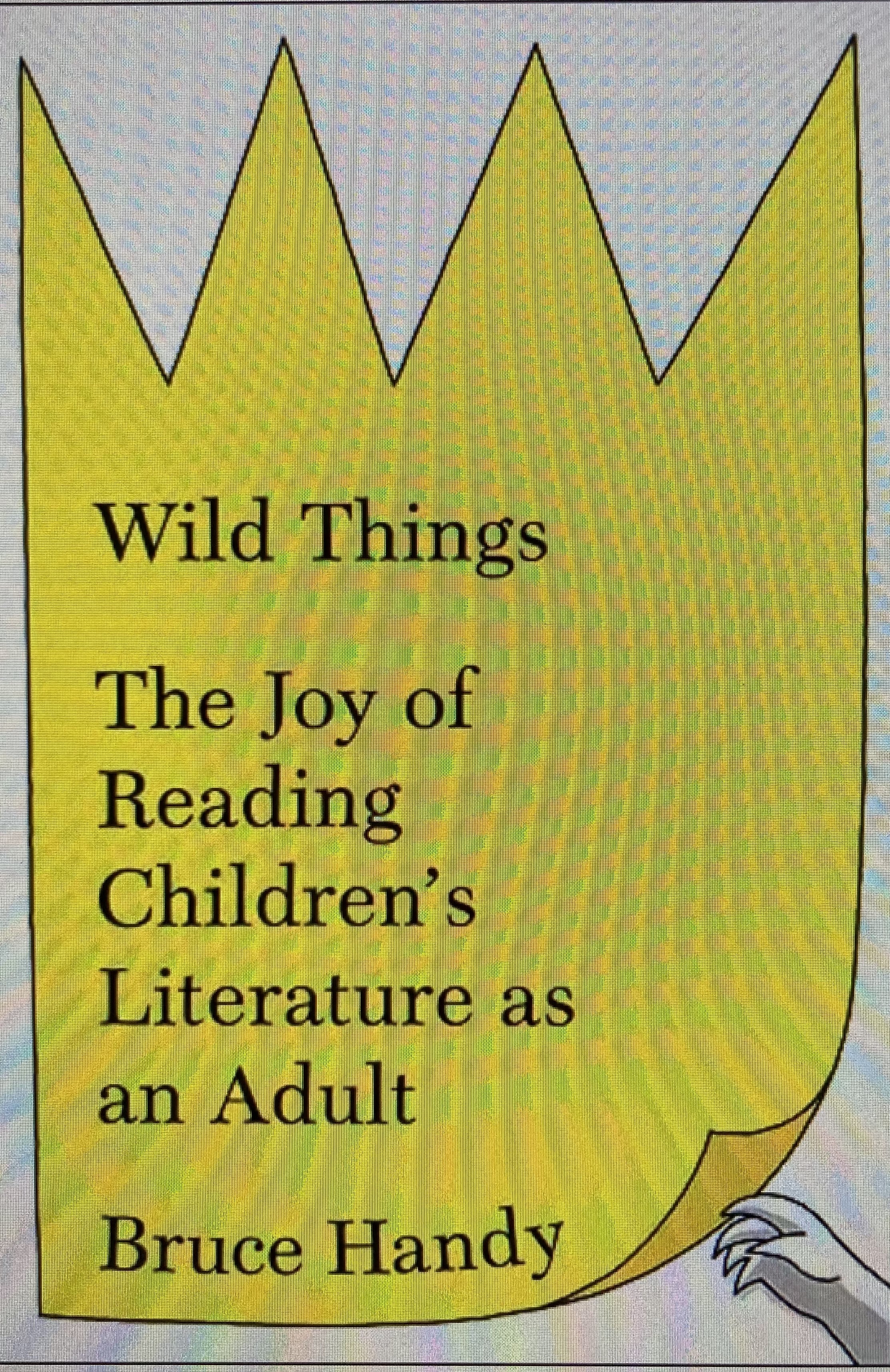
One thing I can assure you is, if you read Handy’s book, you will never see Margaret Wise Brown’s The Runaway Bunny the same. Handy spends some time talking about the child/parent relationship (or lack thereof) in children’s literature, I agree with many of his observations (especially those regarding Shel Silverstein’s The Giving Tree) and concur with his assessment of Disney’s revisionist treatment of classic fairy tales.
More on this subject in my next post.

You must be logged in to post a comment.