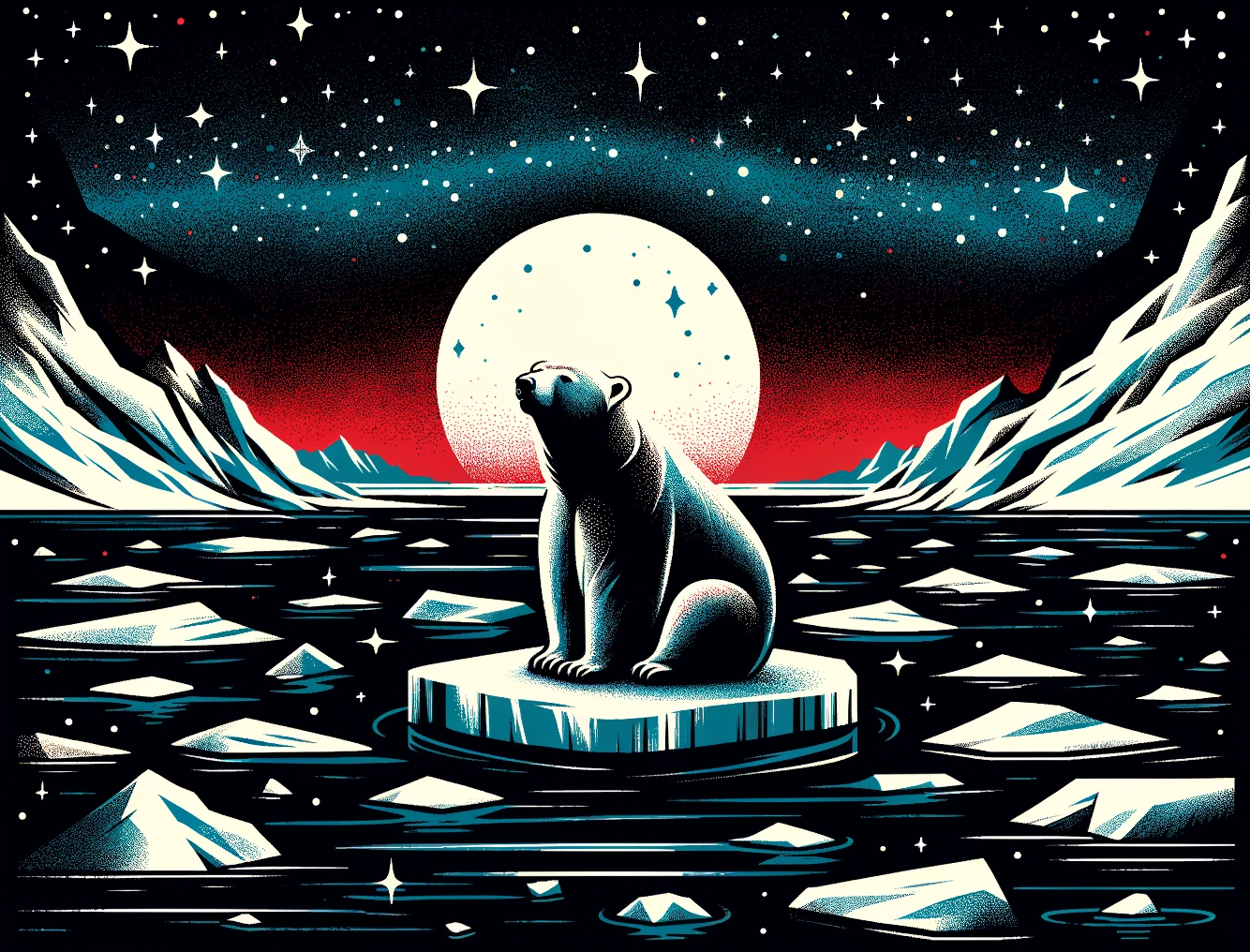
Some of my readers, and one especially – my youngest grandchild – has asked me to turn The Ravenstones saga into a graphic novel.
These are hugely popular, especially among teenage readers. But what do I know about writing a graphic novel (GN)? On the surface, it seems all one has to do is add a whole slew of pictures to the original written content. Not so hard, especially if one is also a skilled illustrator (I hasten to add, for me, that is not the case). Comics, yes, I’m familiar with those (see my May 27, 2023 post on the Classics Illustrated series); are graphic novels really any different? According to Wikipedia, the distinctions between genres are hotly debated and, whatever the answer, I certainly don’t underestimate the challenge of producing one.
It was time for some homework. I decided to check out the local public library for some examples to study. Lots of selection to choose from, plenty from Japan and that was just the adult section. Indeed, so much choice existed it was almost overwhelming. In the end I selected three samples, all different from each other.
The first one I chose was not just a personal favorite but also one of the most famous fantasy books about anthropomorphic animals ever written:
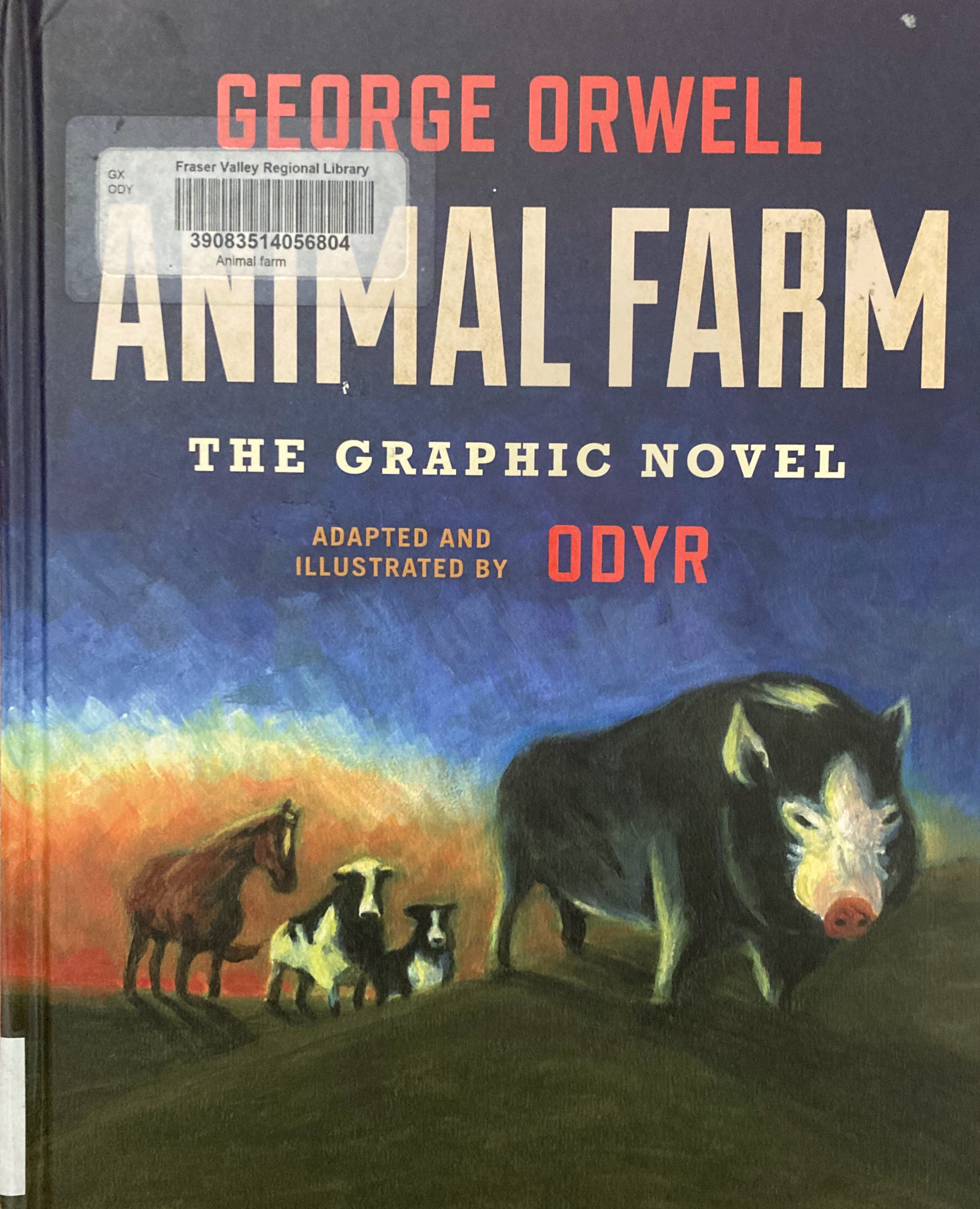
Boston, New York: Houghton Mifflin Harcourt, 2019; originally published in 1945; now beautifully illustrated by Brazilian artist, Odyr
The next was one, Books of Magic, was taken from Neil Gaiman’s Sandman Universe. Gaiman is one of the most successful fantasy writers of his generation, but it took a team of four more writers and five illustrators to produce the GN:

Burbank: DC Comics, 2019 (story by Neil Gaiman; written by Simon Spurrier, Kat Howard, Nalo Hopkinson and Don Watters; illustrated by Bilquis Evely, Tom Fowler, Dominike Stanton, Max Fiumara and Sebastian Fiumara)
Next, I turned to my good friend, Chat (as in Chat GPT) for advice. The first question I asked was: how long is a typical GN? Here’s the answer I received:
The length can vary widely, depending on the story and the preferences of the creators. Graphic novels are not constrained by a specific page count, and they can range from a mere 48 pages to several hundred or more. However, some common page count ranges exist for the five different types:
- Graphic Novellas: These are shorter novels, usually between 48 and 100 pages,aimed at telling a concise, self-contained story.
- Standard Graphic Novels: Most fall into the range of 100 to 300 pages, allowing for more in-depth storytelling and character development.
- Epic Graphic Novels: Some GN’s, particularly those in genres like fantasy or science fiction, can be quite long, exceeding 300 pages and sometimes even spanning multiple volumes.
- Serialized Graphic Novels: These are originally published as serialized comic books, later collected into graphic novel volumes. They can vary in length depending on the number of issues involved.
- Webcomics and Online Graphic Novels: With the rise of digital platforms, webcomics and online graphic novels can be short, episodic stories or ongoing, lengthy sagas.
Okay, that’s a start and The Ravenstones clearly falls into the third category. But my second question was more germaine: how does one go about turning a seven-volume fantasy series into a GN? Once more Chat came up with a reply (in mere seconds):
Turning a seven-volume fantasy series into a graphic novel is a complex and ambitious project requiring careful planning. Here’s a step-by-step guide on how one might approach the process:
1. Familiarize Yourself with the Source Material:
- Read and thoroughly understand the entire seven-volume series. Take notes on key plot points, characters, themes, and any visual descriptions.
2. Create an Adaptation Plan:
- Decide how you’ll adapt the series. Will you adapt each volume into a separate graphic novel, or will you consolidate the story into fewer volumes?
3. Assemble a Creative Team:
- Graphic novel adaptations require a team of experienced professionals, including a writer, artist(s), letterer, and possibly a colorist.
4. Develop a Script:
- The writer should create a script that outlines the story’s pacing, dialogue, and panel descriptions. It should capture the essence of the source material while adapting it to the graphic novel format.
5. Storyboarding:
- Work with the artist(s) to create rough sketches or storyboards for each page or panel. This step helps plan the visual storytelling and layout.
6. Character and World Design:
- Design the characters and the world they inhabit. Make sure these designs stay faithful to the descriptions in the source material while allowing for artistic interpretation.
7. Begin Art Production:
- The artist(s) will start creating the actual artwork based on the storyboards and character/world designs, a time-consuming process requiring attention to detail.
8. Lettering and Coloring:
- Once the artwork is complete, the letterer will add text, including dialogue and narration. If the graphic novel will be in color, a colorist will add color to the artwork.
9. Editing and Revisions:
- Review the entire graphic novel for consistency, pacing, and accuracy. Make any necessary revisions to improve the storytelling and visual flow.
10. Publishing and Distribution:
- Decide on the publisher and distributor, without ignoring traditional publishing options or self-publishing through platforms like Kickstarter or webcomics.
11. Marketing and Promotion:
- Promote the graphic novel to your target audience through social media, book signings, conventions, and other marketing channels.
12. Handling Licensing and Rights:
- Ensure that you have the necessary rights and permissions to adapt the source material into a graphic novel. This may involve legal negotiations with the original author or their representatives.
13. Release and Follow-Up:
- Release the GN and engage with your audience. Consider reader feedback and adapt your approach for future volumes if necessary.
In sum, turning a lengthy epic fantasy into a GN series is a significant undertaking requiring “dedication, artistic talent, and a deep appreciation for the source material”. Collaboration among a team of professionals with experience is the key to success.
There you have it: it’s a lot of work and no easy matter. Fortunately, as the author, step one is already a done deal and since I’ve always imagined the story in such terms (having long imagined the look of the opening panel of Book One: the iceberg, the lonely polar bear and the silent moon), I’m ahead of the game. As for the remaining twelve steps, I already possess the book rights and, for the present, all I need to consider is steps two through nine. The publishing/distribution process I can handle later.
Finally, my third GN choice and one I’d highly recommend to any reader. Written and illustrated by Elisa Macellari, it’s based on a true story of the author’s great-uncle’s experience in Thailand, Italy and Germany in mid-20th century. Appealing pastel illustrations alongside a moving and unexpected history of love and war:
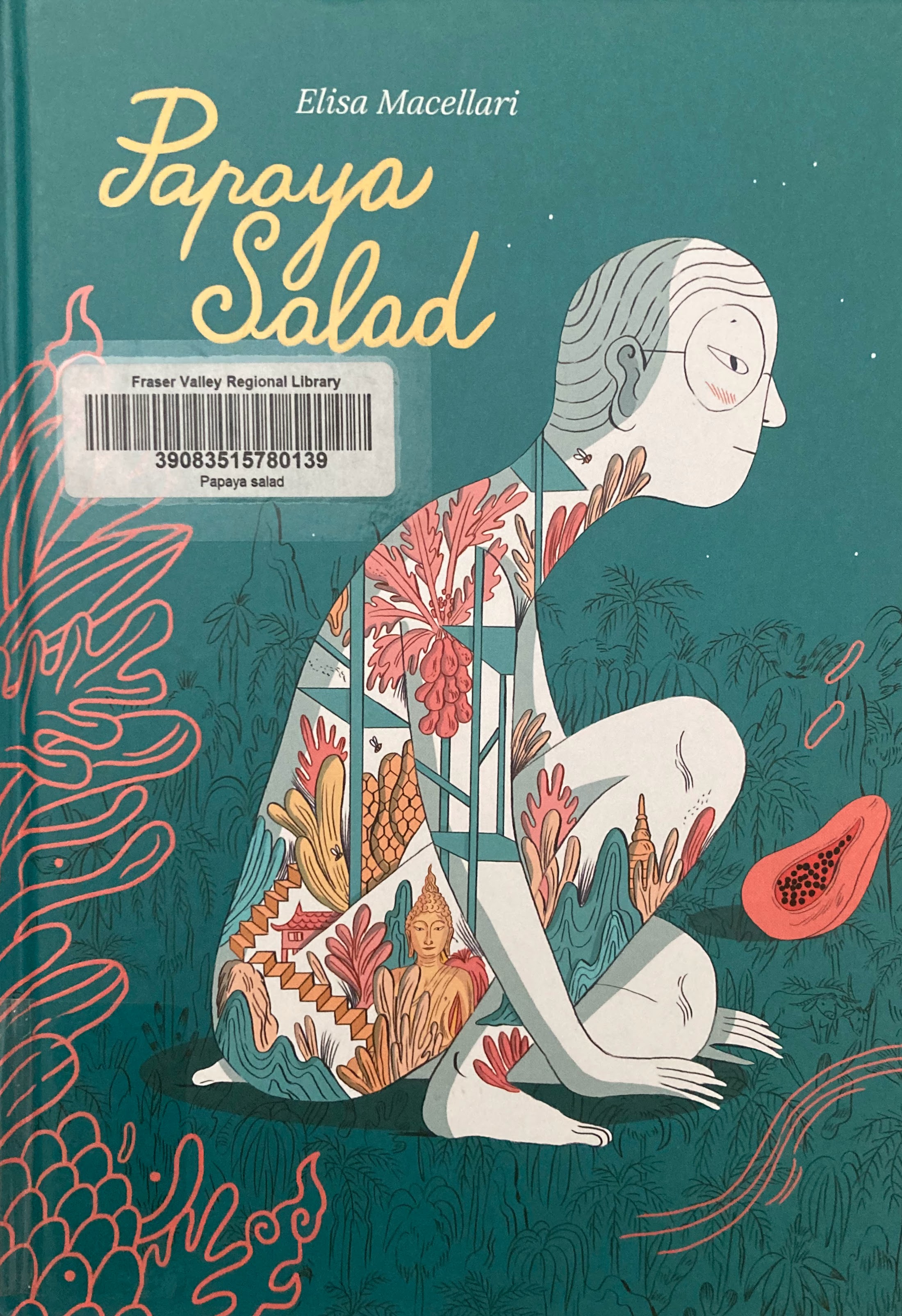
Milwaukie, Oregon: Dark Horse Books, 2020
My homework is set. I’ll keep you posted on my progress.
Cover Photo by Miika Laaksonen on Unsplash

You must be logged in to post a comment.