
On December 19, Canada’s national broadcaster, the CBC, reported on the increasing numbers of companies suffering from website hacking attacks, along with ransom demands. In the story, the case highlighted was an assault on The Weather Network, where the accompanying ransom demand was, according to its CEO, in the “tens of millions” of dollars.
The Weather Network was not alone; the grocery giant, Sobeys, the national bookseller, Indigo, and a group of Ontario hospitals are all named in the CBC story as having been targeted within the same time period. The numbers of such attacks, says the CBC, are “staggering”.
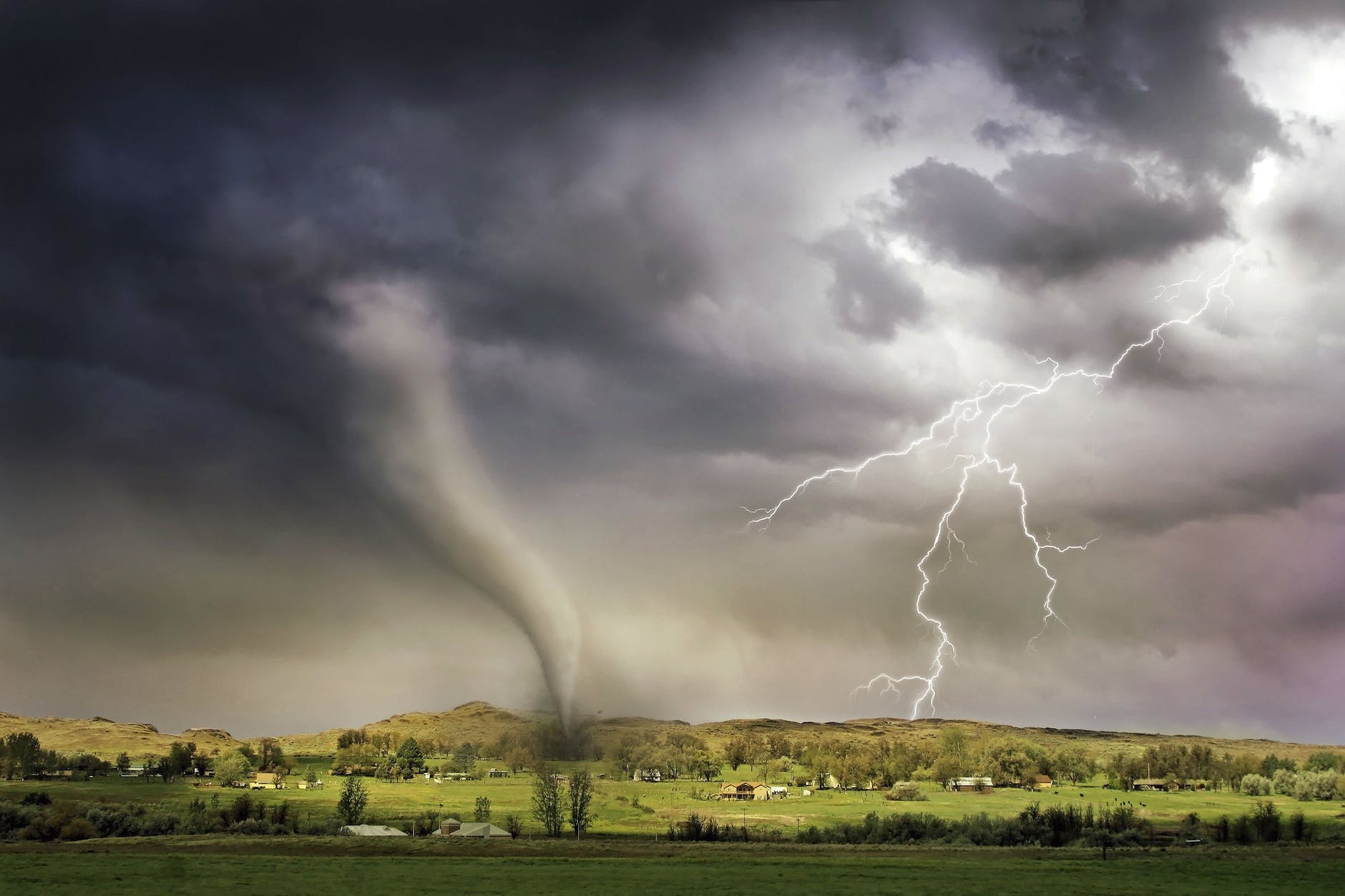
Simultaneously, in that same week just before Christmas, the Ravenstones website became inoperable. The site has been down ever since, as we try to pinpoint the cause, recreate the site and take steps to strengthen it so such an event doesn’t happen again.
For those of you wondering what happened to my usual Christmas greetings, that was the reason. And if you happen to read this post, you will know that we are, once again, back up and running.
I used Authorcats (now known as Nrdly) to set up the Ravenstones website and Digital Ocean, an American cloud-hosting firm, and WordPress.org, the popular open-source blog platform, to manage it.
Up to this point the combination of services has proven most reliable in structuring, troubleshooting and maintaining the website. In fact, WordPress reports every Monday on the success of its efforts to keep out the ongoing malicious attacks. The following is an example of their reporting, demonstrating the level of such activity:
The Ravenstones Weekly Report
| 688 | Malicious activities mitigated | ||
| 0 | Spam comments denied | ||
| 0 | Spam form submissions denied | ||
| 119 | Malicious IP addresses detected | ||
| 6 | Lockouts occurred | ||
| Activity details | |||
| Malicious request denied | 345 | ||
| Probing for vulnerable code | 325 | ||
| Login failed | 131 | ||
| Attempt to log in with non-existing username | 16 | ||
| IP blocked | 6 | ||
| Logged in | 6 | ||
| Form submission denied | 4 | ||
| Attempt to access prohibited URL | 2 | ||
| User session terminated | 2 | ||
| Logged out | 2 | ||
The concept of computer hacking has evolved over time, and it’s challenging to pinpoint the single “first” successful hacking attempt. However, one of the earliest and most well-known instances of computer hacking dates back to the 1970s.
In 1971, a man named John Draper, also known as “Captain Crunch,” gained unauthorized access to the AT&T telephone network by exploiting a vulnerability in their phone system. Draper discovered that a toy whistle found in a cereal box, which was a free giveaway in Captain Crunch cereal, emitted a tone at precisely 2600 hertz. This frequency happened to be the same one used by AT&T’s long-distance switching equipment.
By using this whistle, Draper was able to manipulate the phone system, essentially tricking it into granting him free long-distance calls. This hacking technique became known as “phreaking,” and John Draper became one of its early pioneers.
Draper and other phreakers were motivated by a combination of curiosity, the challenge of exploring and exploiting systems, and sometimes a desire for free services like long-distance calls. The term “hacker” at this time had a more benign connotation and referred to individuals who were adept at exploring and understanding computer systems.
Of course, the motivations and ethics around hacking have varied widely over the years, and not all hacking activities have been malicious. The field of computer security has developed in response to these activities, with efforts to protect systems from unauthorized access and manipulation.
Since the 1970’s, things have become more dangerous and expensive to society. Costs globally to the world economy are estimated to run over $1 trillion annually. Hacking results in theft of funds, of trade secrets and of intellectual property, disruption of operations, the cost of investigating and restoring data and systems, not to mention fines for data breaches.
And one cannot ignore the nation-state sponsored cyberattacks, which have broader economic and security implications. Those countries accused of such activity by western nations are Russia, North Korea, China and Iran, although of course the USA and Israel are accused by others.
According to the CBC report, every 39 seconds a hacker strikes. Every day 569,000 pieces of malware are detected. And the majority of companies pay up rather than suffer the losses. In the case of The Weather Network, however, the company refused to pay and it took weeks to restore their data and systems.
More recently, according to CBS News, a British judge sentenced the 18-year-old hacker who leaked footage of the unreleased video game Grand Theft Auto VI to indefinite detention in a secure hospital, according to a BBC report.
The hacker, Arion Kurtaj, leaked 90 clips from Rockstar Games’ forthcoming Grand Theft Auto VI and also launched cyberattacks on Uber, Nvidia and other corporations. A British jury in August convicted Kurtaj and another teen, who were members of the international hacking group Lapsus$, for hacking, fraud and extortion.
Fortunately, no one has asked me for any money. In fact, we’re still investigating what occurred.
This is the message we sent to AuthorCats just before Christmas:
“On Thu, 14 Dec, 21:41 (Pacific Time) (www.theravenstones.com) went down. We have been unable to restore it even with the weekly backups, which normally work without issue when something goes wrong (sometimes in the past the website would get into a bad state or attempt to be hacked so we would need to block malicious IP addresses after restoring).
The error we are seeing right now is the following: ‘There has been a critical error on this website. Learn more about troubleshooting WordPress.’
This is the first time none of the backup droplets or snapshots helped restore us into a working state. After troubleshooting, I believe the issue is that one of the plugins used is automatically updating every time I restore from backup, and one of these updates is causing the website to return to having a critical error state.”
As of this writing, we’ve not received a response from Authorcats. But we have completed a move to WordPress.com (which is why you may have noticed that we now use theravenstones.ca). This allows for a higher level of website reliability so we can avoid these outages in the future.
In the meantime, much content has lost from the original site that will need restoring. This effort will take time, so please bear with us as we complete this work.

Leave a comment