
The war is three years in. A charismatic leader of the attacked nation rallies his citizens, but looks to the United States for survival. The oppressor has made large territorial gains but seems to be stalled in its tracks.
Who knows how long the war will last? Who knows how much more sacrifice is to be required before victory can be achieved?
No, we’re not talking about Russia’s invasion of Ukraine. We’re speaking of World War II.
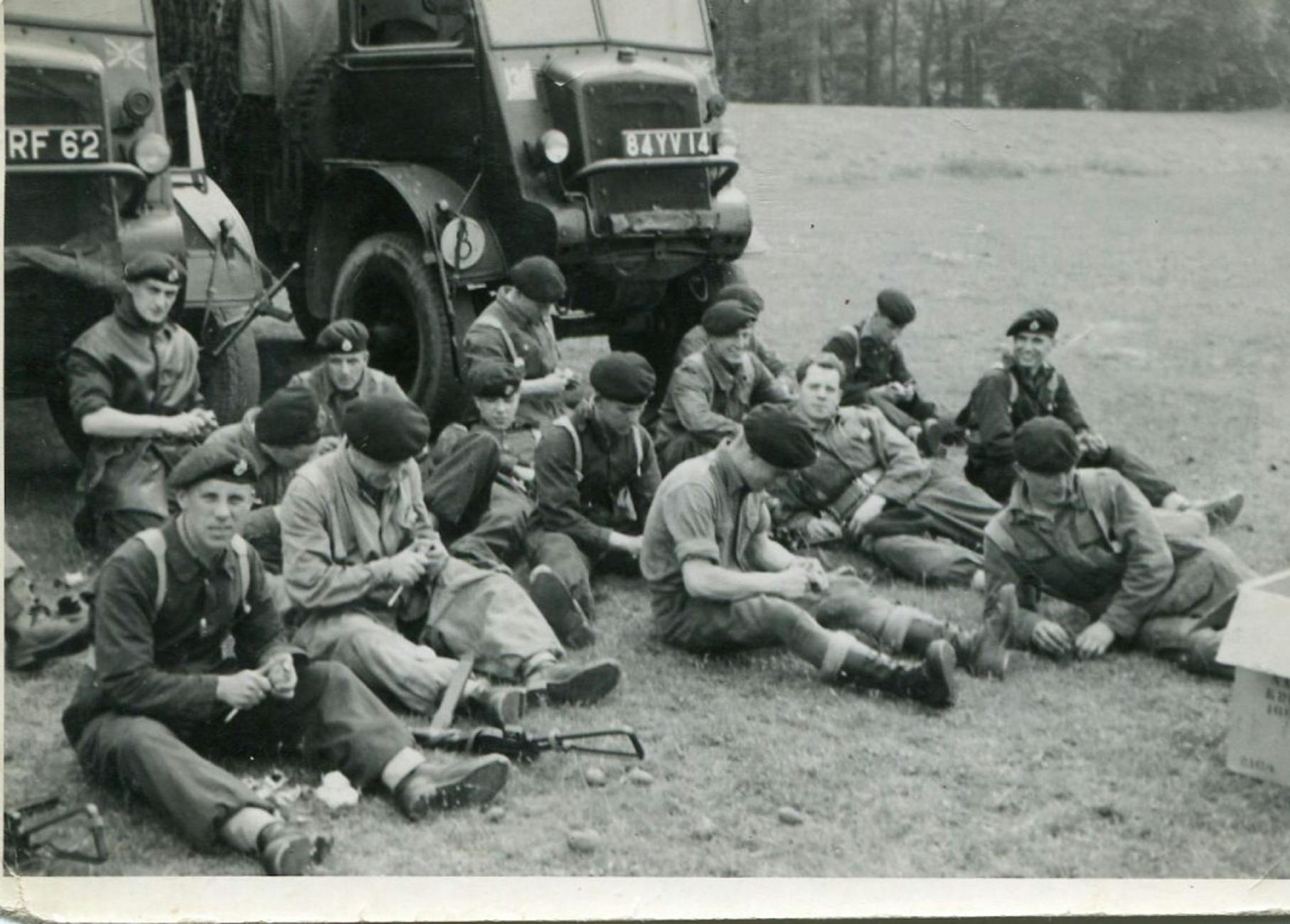
Three years after Hitler had invaded Poland and begun his conquest of the European mainland – let us say, the first half of 1942 – Nazi hegemony was at its height. German troops (or Axis allies) controlled one end of that continent to the other and were positioned at the gates of Stalingrad and Petrograd.
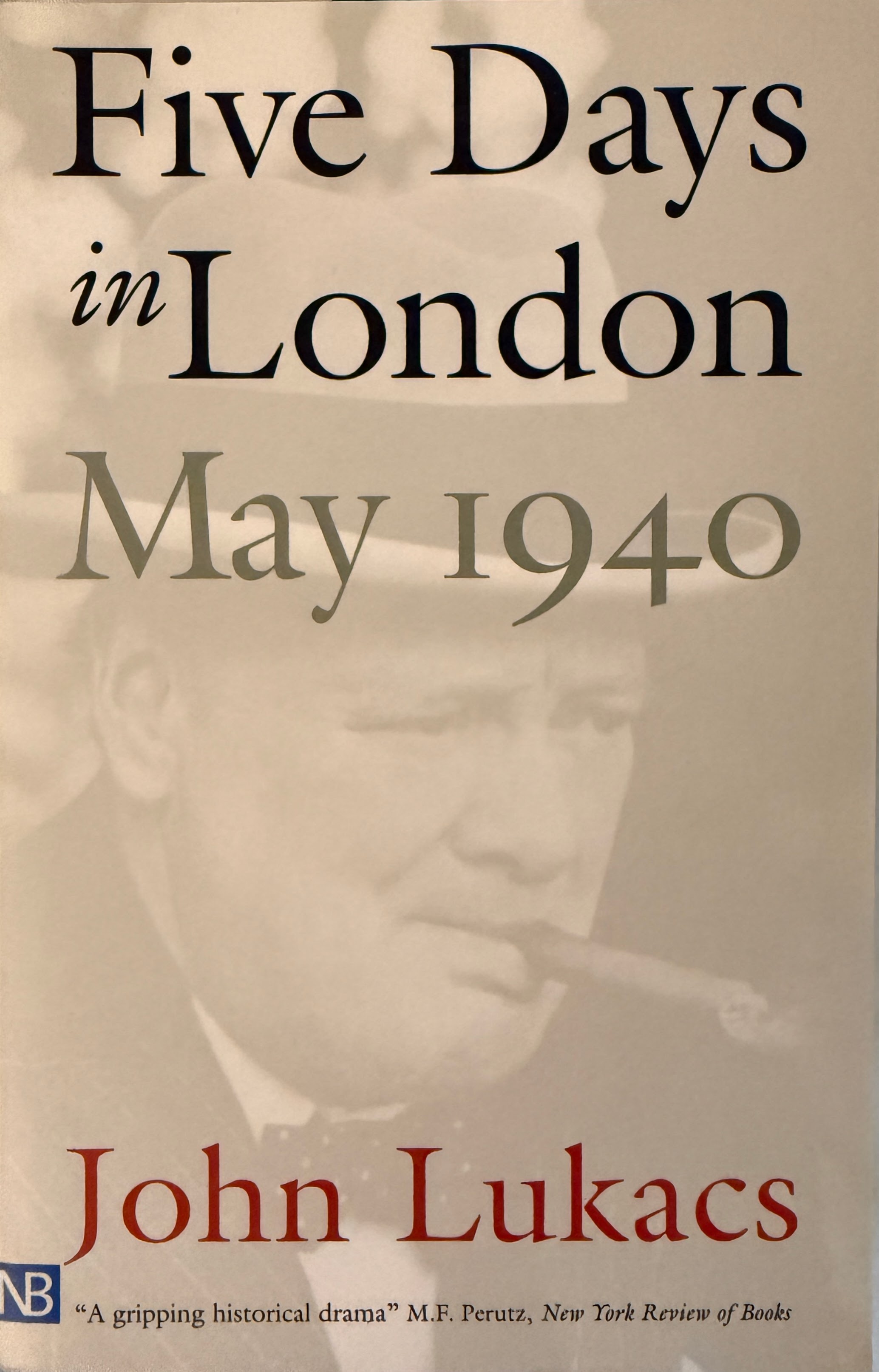
Yale University Press: New Haven & London, 1999
On the western front, England (with assistance from Commonwealth members) stood alone, waiting for the arrival of American forces, now that the US had joined the fight. Meanwhile, Japanese troops had taken much of southeast Asia and the western Pacific.
Allied success was far from assured; after Pearl Harbor, perhaps only two people really understood the eventual outcome: Churchill and Roosevelt.
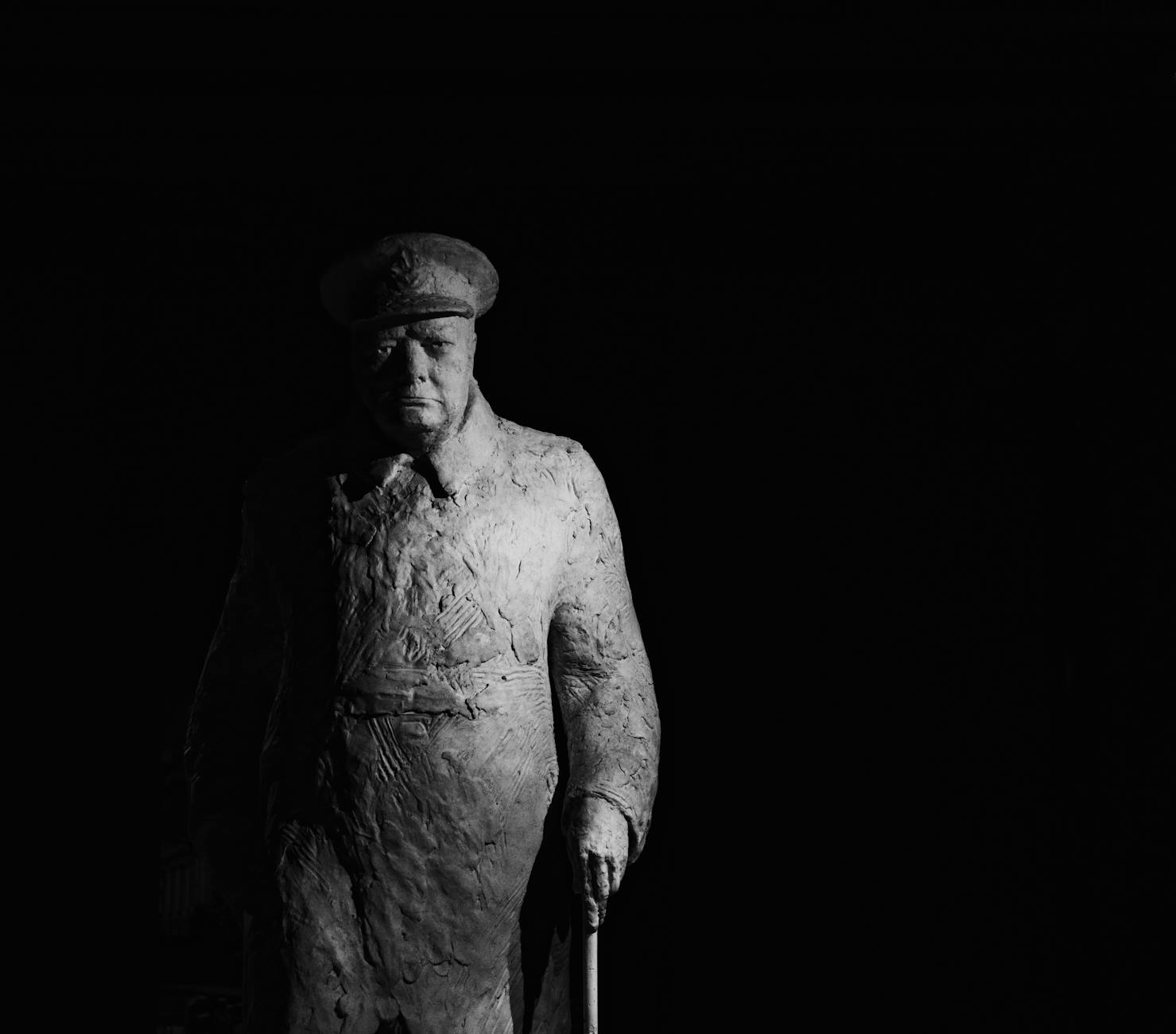
In mid-1942, no one knew how many more years of hard slogging and how much loss of life would be required. In fact, in November of that fateful year, Churchill declared that “this was not yet the beginning of the end but perhaps the end of the beginning”. Much like today.

Recently and upon this 3rd year anniversary, I’ve thought a lot about the parallels between World War II and the 2022 Russian invasion of Ukraine, especially when reflecting upon the war fatigue and declining optimism for success that some Americans appear to feel.
In particular I felt the parallels between Winston Churchill and Volodymyr Zelensky were not just striking but also worthy of closer examination, if not an entire book.
Both leaders have become symbols of resilience and defiance in the face of aggression, rallying their nations and gaining international recognition for their leadership during times of war. Here’s a list of comparisons:
1. Leadership in Times of Crisis:
- Churchill: When Churchill became Prime Minister in 1940, the UK was facing the existential threat of Nazi Germany. His leadership came at a moment of peril, with Britain standing largely alone after the fall of France.
- Zelensky: Zelensky rose to prominence during the Russian invasion in 2022, leading the country through an unprovoked attack by a much larger military power, and galvanizing national resistance.
2. Defiant Speeches and Symbolism:
- Churchill: Churchill is famous for his powerful speeches, such as “We shall fight on the beaches,” which inspired the British public and strengthened national resolve during the darkest hours of the war.
- Zelensky: Zelensky’s speeches, particularly his address to the Ukrainian people and his appeals to international bodies like the United Nations, the U.S. Congress, and the European Parliament, have become iconic. His defiant stance—saying “I need ammunition, not a ride” when offered evacuation—echoes Churchill’s resolve to never surrender.
3. Rallying Allies:
- Churchill: He played a key role in building alliances, notably with the United States and the Soviet Union. His ability to appeal to foreign leaders, particularly Roosevelt, was essential to securing the resources and aid needed for Britain’s survival.
- Zelensky: Similarly, Zelensky has successfully appealed to Western nations for military, financial, and humanitarian support, uniting much of the international community in support of Ukraine. His diplomatic efforts have led to extensive aid packages, sanctions against Russia, and military assistance from NATO countries.
4. Personal Courage:
- Churchill: Churchill’s refusal to back down in the face of overwhelming odds helped maintain British morale. Despite the bombing of London and the threat of invasion, he maintained a visible presence, symbolizing defiance.
- Zelensky: Zelensky’s decision to stay in Kyiv despite the dangers of assassination or capture during the initial Russian invasion made him a figure of immense personal bravery. His refusal to leave the capital city, even under attack, inspired both Ukrainians and the world.
5. The Underdog:
- Churchill: Churchill was leading Britain against the might of Nazi Germany, which at the time had one of the most powerful and well-equipped militaries in the world.
- Zelensky: Zelensky is leading Ukraine against Russia, a military superpower with far greater resources, in terms of both manpower and equipment. Despite this, Ukraine’s resistance has defied initial expectations, much like Britain did in World War II.
6. Media and Propaganda:
- Churchill: Churchill’s masterful use of radio and print media to communicate with the British public and allies ensured that his message of perseverance reached both domestic and global audiences.
- Zelensky: Zelensky, a former actor and media-savvy leader, has effectively used modern communication tools, including social media and video, to connect with audiences around the world. His use of technology and digital platforms has been crucial in gaining international support for Ukraine’s cause.
7. Moral Clarity:
- Churchill: Churchill framed World War II as a battle between good and evil, democracy versus tyranny, with Britain standing as the last bastion of freedom against Nazi totalitarianism.
- Zelensky: Zelensky has similarly framed the conflict in Ukraine as a fight for freedom and democracy against Russian authoritarianism, emphasizing Ukraine’s right to sovereignty and self-determination.
8. A Symbol of National Unity:
- Churchill: Churchill became a unifying figure for the British people, representing their collective will to survive and resist the Nazi threat.
- Zelensky: Zelensky, previously an outsider in Ukrainian politics, has become a symbol of national unity, representing the courage and determination of the Ukrainian people to resist Russian aggression.
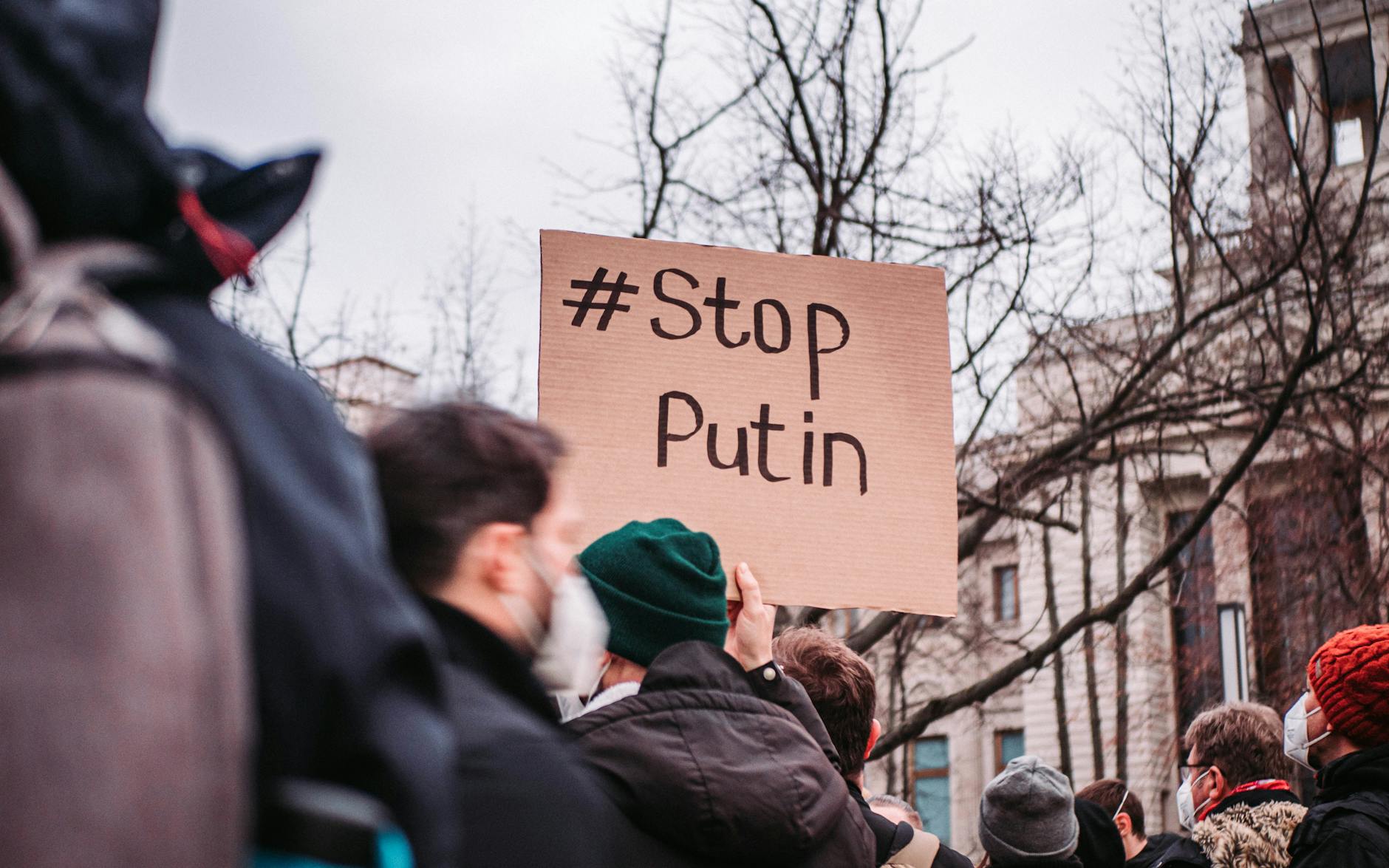
Both Churchill and Zelensky emerged as unlikely wartime leaders, but through their resolve, oratory, and ability to galvanize both their nations and international support, they became enduring symbols of defiance and resilience. Despite facing powerful adversaries, both leaders emphasized the importance of fighting for freedom and democracy, and their leadership in times of national crisis has inspired global admiration.
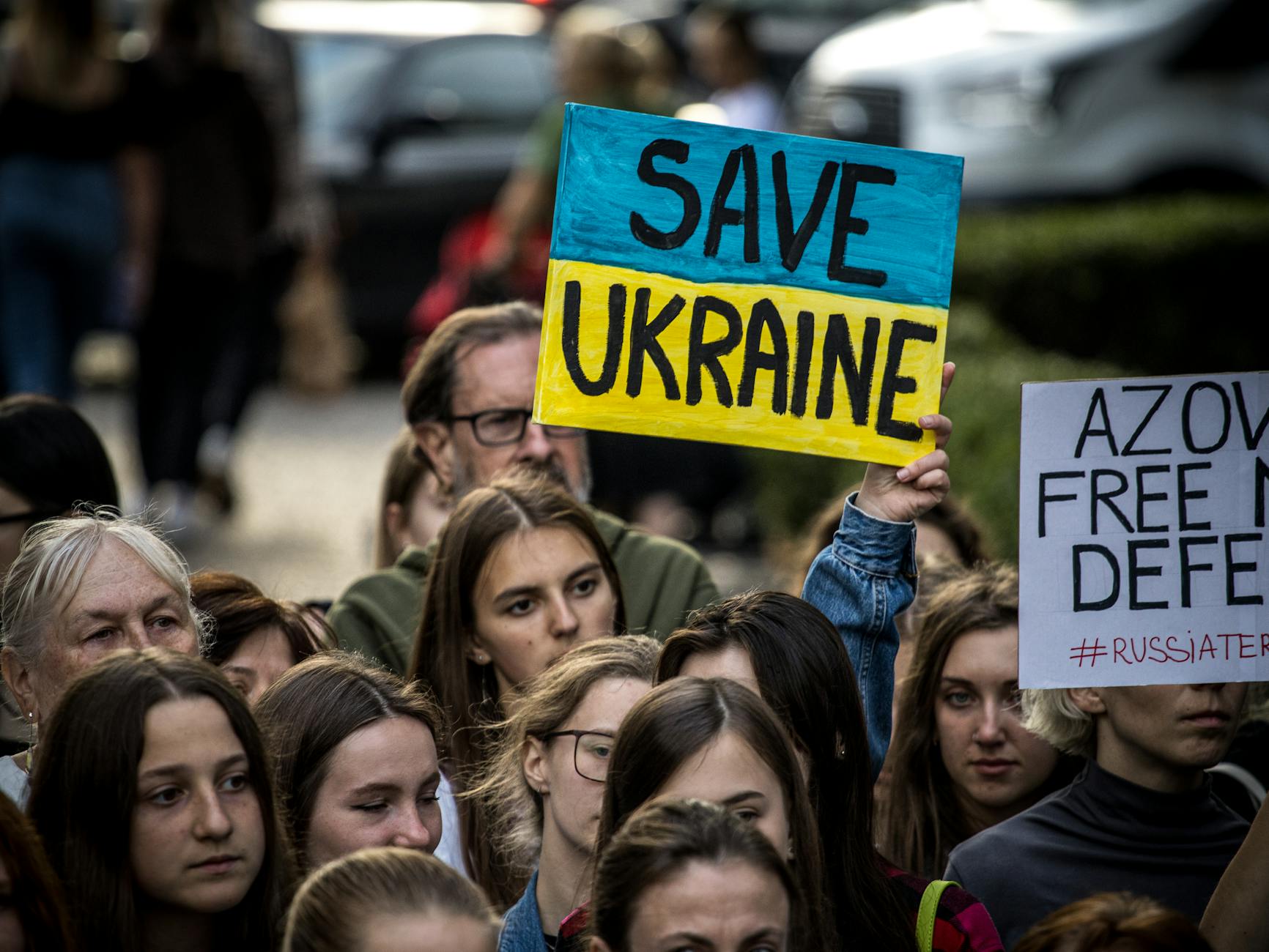
With the return of Donald Trump to the White House, the final approach taken by the US towards the war in Ukraine is far from certain. Even after the events and statements of this past week, given Mr. Trump’s capacity to pivot, anything is possible. Although Mr Trump is no FDR, he’s certainly capable of surprising the rest of the world. To quote Shakespeare, one can only hope there is true method in his “madness”.
& & &
John Lukacs’ Five Days in London: May 1940 argues that the five-day period between May 24 and May 28, 1940, was one of the most critical moments in modern history, when Winston Churchill’s leadership and resolve prevented Britain from pursuing peace negotiations with Nazi Germany. Lukacs contends that Churchill’s firm opposition to any deal with Hitler, despite pressure from members of his own War Cabinet (particularly Lord Halifax), ensured Britain’s continued resistance, which was crucial to the eventual defeat of the Nazis.
Lukacs emphasizes the role of individual decision-making in history, particularly Churchill’s steadfastness at a time when many in Britain feared defeat. He also challenges the notion that Britain’s survival was inevitable, arguing instead that history could have turned out very differently had Churchill wavered or had Halifax prevailed.
In essence, the book underscores Churchill’s moral clarity, the importance of leadership in shaping history, and the significance of May 1940 as a turning point in World War II, a fitting book to go along with this 3rd anniversary.


Leave a comment