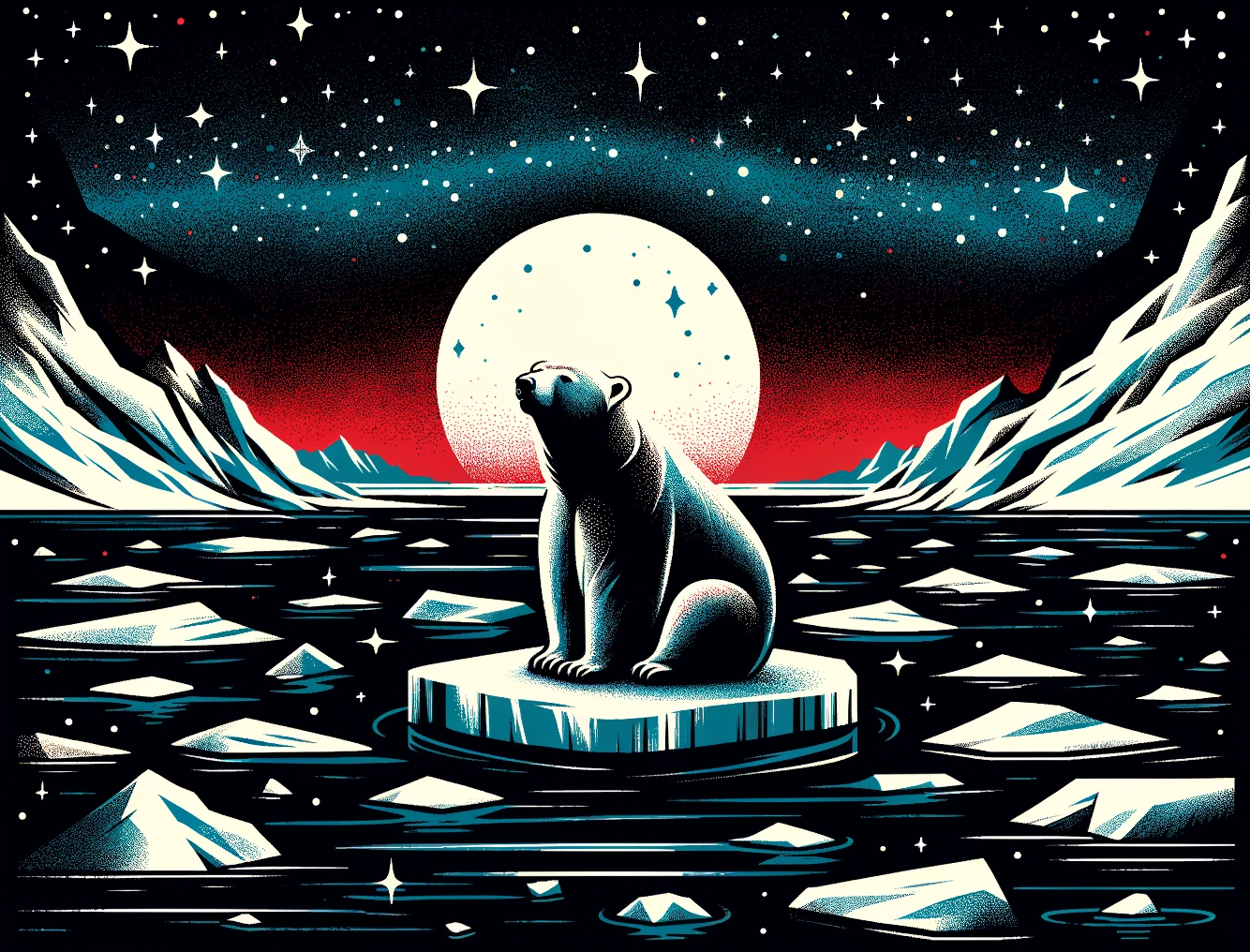
“Badgers are the creatures of the underworld, denizens of earthen darkness…It is in the hidden places under the night sky or in the twilight hours that they are most commonly to be found…Symbolically they inhabit the forbidden domain of the dead, the dangerous destination of [those] who journey to the underworld in search of treasure.” Badger, p. 75
It’s not easy to find a book about badgers. It’s even harder to find such a book by an author who lives in the vicinity. But I did find such a book, and even better it’s part of an impressive collection focusing on animals, issued by the British publisher, Reaktion Books.

London: Reaktion Books Ltd., 2015
According to the website, the “widely acclaimed Animal series explores the cultural and natural history of more than 100 animals. These wide-ranging, beautifully illustrated volumes explore their subjects in art, literature, mythology and religion, as well as its evolution, species, behaviour and habitat.” Here’s just a few of the animals included: donkey, bear, crow, fox, tiger, camel, falcon, parrot, ant, and eel. Other series look at plants, cities, lives, dynasties, food and the earth.
The author of Badger is Daniel Heath Justice, Canada Research Chair in Indigenous Literature and Expressive Culture at the University of British Columbia, Vancouver. Mr. Justice has already produced another volume for the animal series (2021) called Racoon, as well as an indigenous epic fantasy entitled The Way of Thorn and Thunder and co-edited The Oxford Handbook of Indigenous American Literature. He also posts blogs (though not so frequently as I do). Here’s one on badgers: https://danielheathjustice.com/2017/12/15/badgerfiles-miscellaneous-badgers-in-literature/.
I obtained the book through an inter-library loan from the tiny village of historic Lillooet, B.C., (pop. 2324 at last count). At one time (1860), Lillooet was one of the largest cities in North America west of Chicago, thanks to the 1860 Cariboo Gold Rush. Today, the place is a center for outdoor recreation, heritage tourism and much more, sitting alongside the Fraser River at the junction of Highways 99 and 12) By the way, the village has a great website: check it out: https://visitlillooet.ca/

I was looking for a book on badgers as part of my research on the various characters that make up my seven-volume Ravenstones saga. There are a ton of books on dogs, cats, lions, elephants, etc. but very few on badgers. Or wolverines, for that matter.
Two badgers play a central part in my fantasy series: Akimi, the original owner of the famous AKOM mining enterprise and Piro, his descendent, who now manages the current mine. The latter, through telling his tale of discovery and provides the inspiration to Fridis, leading her onto the search for the Ravenstones, that becomes the center around which the story turns. As creatures who spend much of their time underground, the badgers make up the perfect miners.
And a promise is a promise: those who have read to the end of the seventh book will know that Piro never forgets one made to him.
Badger is described as “the first global cultural history of the animal in over 30 years”, providing a wealth of detail on the species along with a treasure load of illustrations, including the origins of the name, its behavior patterns, its use and symbolism in indigenous culture and advertising. Here are a few examples of those details:
- Although the name seems to come from the word badge, referring to the badger’s face markings, many claims to other origins exist, e.g. bêcheur (digger in French).
- Badgers belong to the same family as weasels, otters, wolverines and ferrets.
- The German word for badger is dachs; thus the Dachshund, a dog bred for hunting badgers. (p. 39)
- The badger is the official animal/symbol of Wisconsin and the mascot of the state university.
But as a writer of anthropomorphic tales, I am more interested in how the badger was used in literature. The most famous of these was Kenneth Grahame’s classic, Wind in the Willows, that wonderful 1908 story set in England’s Edwardian era and evoking much of the sentiment of that age. Prior to that, most badgers are characterized as vermin, usually ending up as victims of the hunt in tales from the Middle Ages.
Lewis Carroll included a few references to badgers in his two Alice books; the hobbits in Tolkien’s Lord of the Rings have a similar disposition to badgers. In T.H. White’s The Sword in the Stone, King Arthur takes the form of a badger as part of his training prior to his ascendency (p. 120).
C.S. Lewis, in his Narnia series, has plenty of talking animals but here the lesson-giving badgers are of the “humbler sort” (p. 121) while it is the larger creatures, notably the Christ-lion Aslan, who are the teachers. In Prince Caspian, Trufflehunter, the loyal badger healer, aids the rightful king against the treacherous dwarf, Nikabrik. Courageous and steadfast, rather than the hero, making the hero’s great deeds possible through his “down-to-earth character and unfailing loyalty.” (p.122)
Mr. Justice does not ignore badgers in other children’s stories: the mascot of the Hufflepuff house in the Harry Potter series; Russell Hoban’s classic Frances the Badger books;
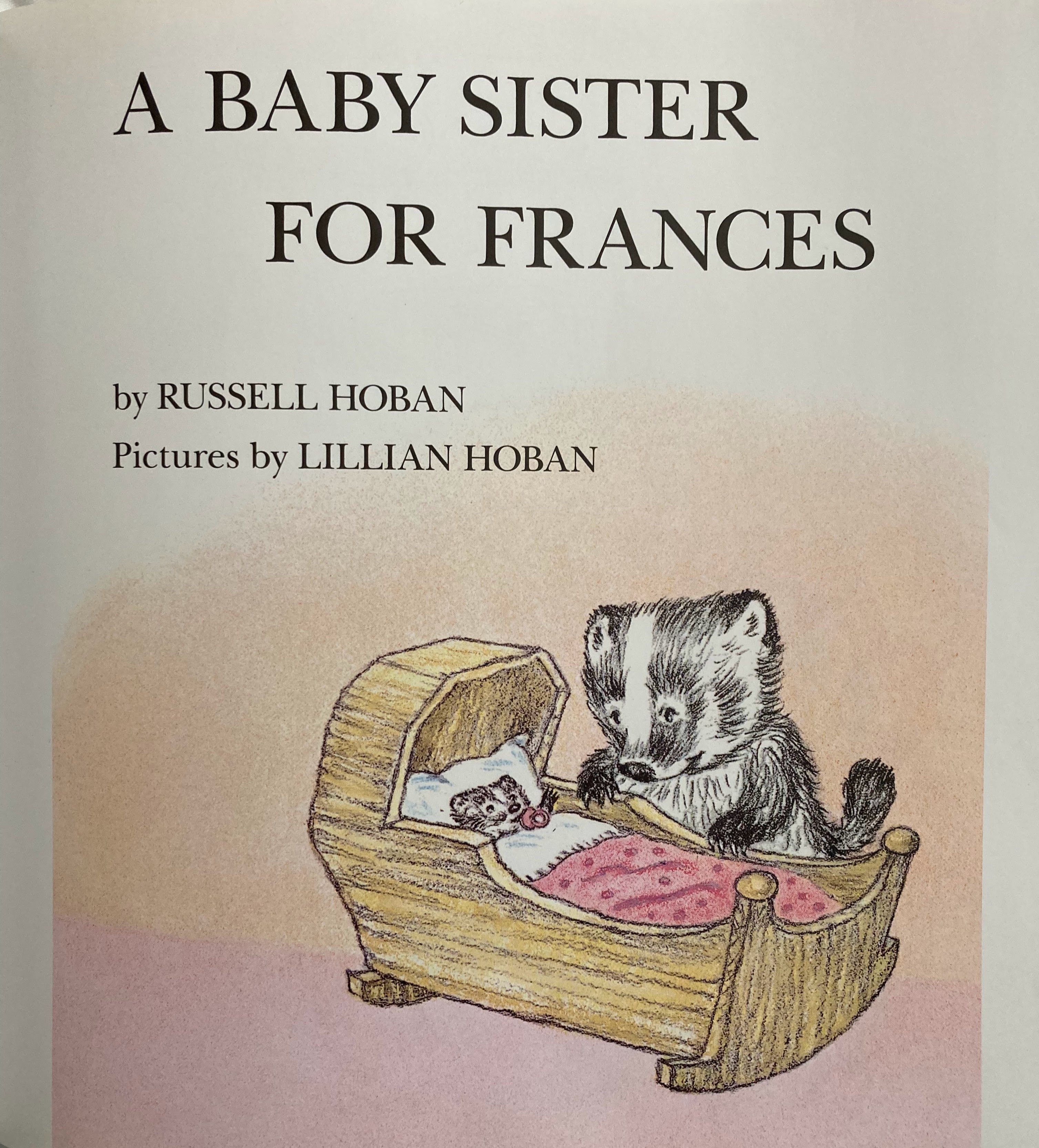
New York: Harper Collins, 1962
the badgers in Brian Jacques’ Redwall series and Richard Adams’ Watership Down; and Rupert the Bear’s best friend, Bill Badger, to name but a few.
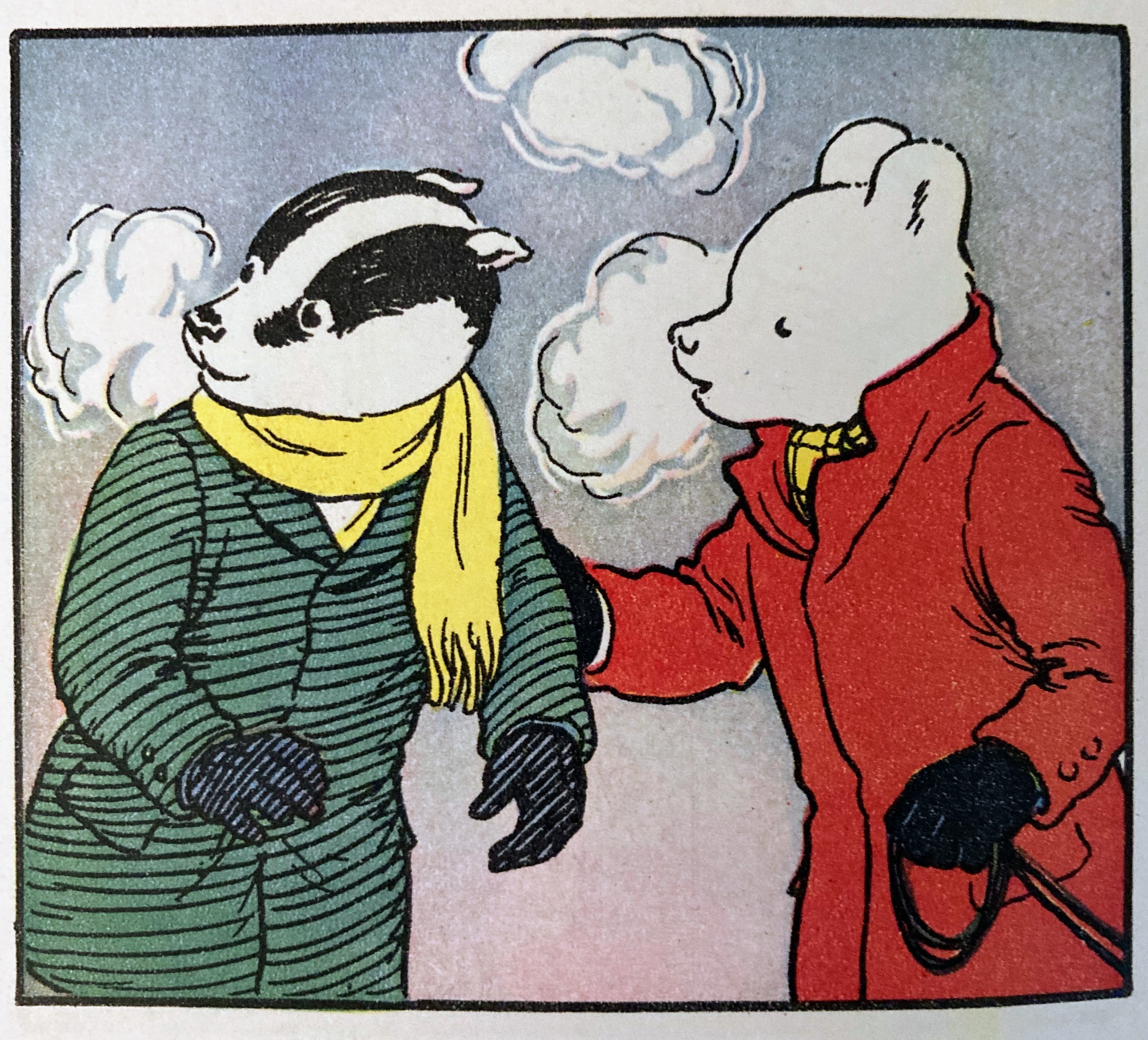
Rupert’s friend, Bill Badger (from the 1957 Daily Express Rupert Annual, p.98)
Finally, he deals with both the persecution of badgers and those organizations doing their best to come to their rescue: in the U.K, the Badger Trust and, in Canada, the Nature Conservancy. Unfortunately, in the United States, it seems no similar agency exists.
Nature photo by John Schafer on Unsplash

Leave a comment