Not long ago, I received the following email from a woman named Jeni (I won’t reveal her last name):
“In your interviews you act like you aren’t remorseful or even ashamed for killing your wife and 3 kids. (Sickening) how are you even able to go on each day knowing how much of a sick coward you are. You blame your “controlling” wife or the girlfriend for your unforgiving crimes, not yourself. By the way….GOD doesn’t forgive you!!!YOUR ACTIONS ARE 100% UNFORGIVABLE!
YOUR OWN CHILDREN!!! BURN IN HELL YOU SICK PSYCHOPATH!”
Now, let me be absolutely clear: I do not know Jeni nor have I, of late, given an interview. And since I haven’t committed any horrific crimes, I suspect this message was not meant for me but for another Christopher Watts.
Yes, it turns out that another one exists. And he is indeed a murderer.
Here is the opening Wikipedia paragraph on that individual and what occurred:
“In the early hours of August 13, 2018, in Frederick, Colorado, Christopher Lee Watts (born May 16, 1985)[1] murdered his pregnant wife Shanann (34) by strangulation, and their two children Bella (4) and Celeste (3) by suffocation. He buried Shanann in a shallow grave near an oil-storage facility, and dumped his children’s bodies into crude oil tanks. Watts initially maintained his innocence in his family’s disappearance, but was arrested on August 15, after confessing in an interview with detectives to murdering Shanann. Months later, he also admitted to murdering his children.”
Mr. Watts was ultimately sentenced to five life sentences, without chance of parole.
Lurid crime drama being what it is, these events became the subject of much media coverage, culminating in a Netflix documentary released in 2020.
Just about the time my Ravenstones book series was launching.
You can imagine what was going through my mind as the details of this gruesome tale were coming to light, with wall-to-wall coverage over mainstream and cable TV, as well as streaming services. We’re talking documentaries and commentaries on ABC, HLN, Dr. Phil, Dr. Oz, CBS’s Inside Edition, Oxygen, Lifetime and, finally, Netflix (American Murder: The Family Next Door).
True Crime is huge in America. According to Wikipedia, during the first month of release, Netflix reported that 52 million households had started watching the documentary, making American Murder: The Family Next Door the most viewed feature documentary on Netflix at that moment.
It wouldn’t surprise me if a fictionalized movie was already in the works.
A doppelgänger can be someone who looks like you or shares the same name. Many years ago, while walking home from the day’s work— crossing York Street in Ottawa’s Byward Market neighbourhood— someone called out to me, using my first name.
It turned out to be a case of mistaken identity: so somewhere out there in the world is an individual who both looks like me and shares my first name!
Now that’s either fascinating or worrisome, or perhaps both.
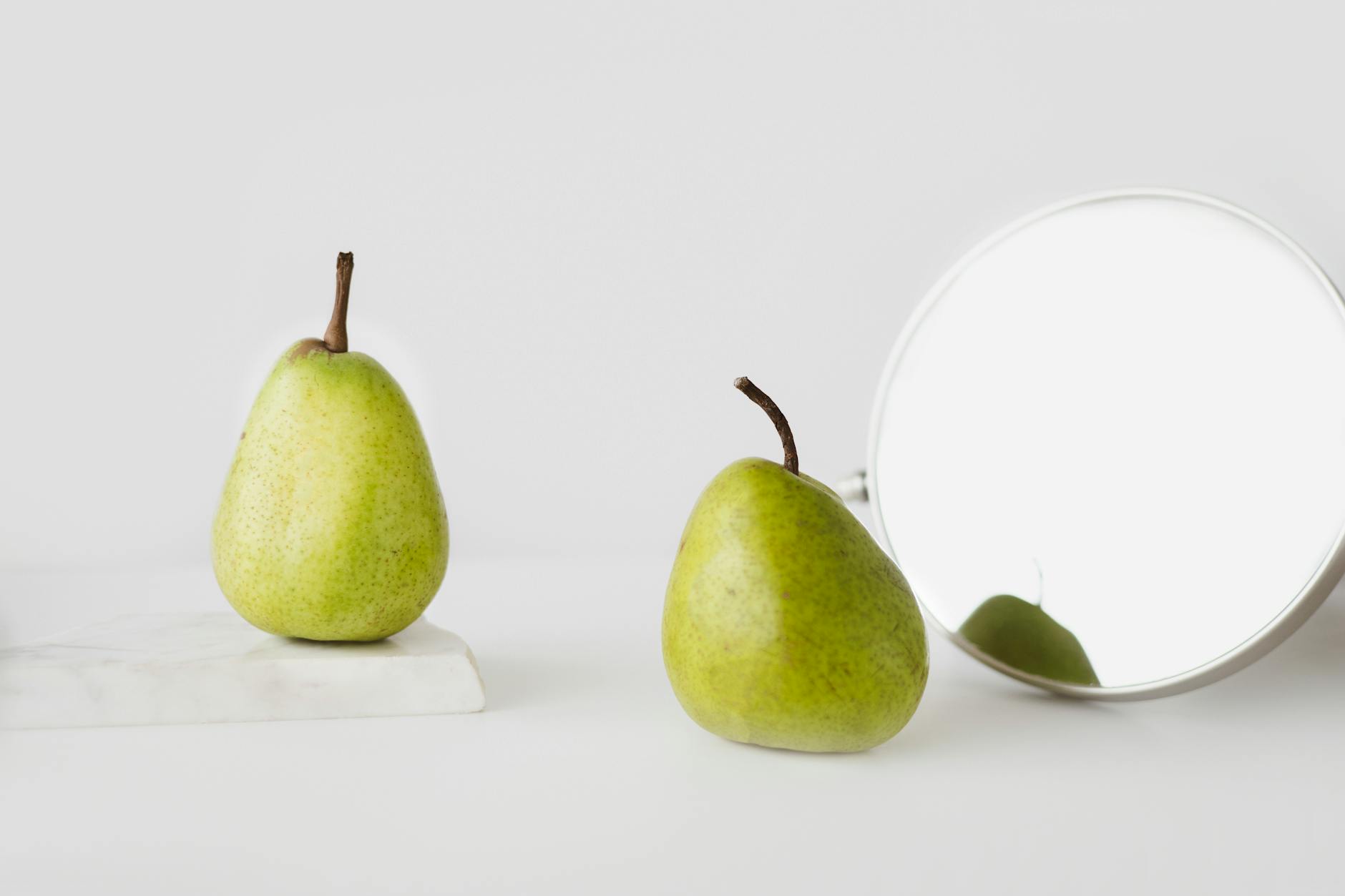
A character who is a double or a mirror of another character, highlighting hidden traits, inner conflicts or moral ambiguities is a staple of literature, often used to explore good vs. evil, split identities, repression and the unconscious, guilt and projection and the fear of the self.
Classics include R.L. Stevenson’s Dr. Jekyll and Mr. Hyde (two identities of the same man), Fyodor Dostoevsky’s The Double (a modest clerk meets a more confident, sinister double who usurps his life), Mary Shelley’s Frankenstein (ambition, guilt and rage; creator vs. creation), Oscar Wilde’s The Picture of Dorian Gray (the portrait of Dorian as an aging, rotting, corrupted version of the protagonist) and Stephen King’s The Dark Half (the author’s pseudonym comes to life as a murderous alter ego).
The doppelgänger often symbolizes: inner conflict, suppressed desires, the consequences of guilt, the fear of losing self-control and the uncanny (something familiar made frightening).
The most recent novel I’ve read about such things is The Double, written by the acclaimed (1998 Nobel Prize winner) and controversial Portuguese writer, José Saramago.
The Double (O Homem Duplicado in its original) follows Tertuliano Máximo Afonso, a disillusioned history teacher in an unnamed city. One evening, he rents a film and is shocked to see an actor who looks exactly like him. Obsessively tracking down this doppelgänger—an actor named António Claro—Tertuliano confirms they are physically identical in every detail, even scars and birthmarks.
Their meeting unleashes anxiety and rivalry. António’s partner becomes suspicious, and António seduces Tertuliano’s girlfriend as revenge. Tertuliano, in turn, assumes António’s place in his household. The novel ends with the unsettling possibility of this cycle repeating: Tertuliano receives a call from yet another “double,” suggesting the crisis of identity has no end.
The book is a philosophical and darkly comic exploration of identity, individuality, and the uncanny, rendered in Saramago’s dense, ironic, and distinctive style.
In case you’re a film buff, in 2013, Denis Villeneuve turned the book into a “Kafka-esque” feature film named Enemy, starring Jake Gyllenhaal as the two physically identical men.
The novel shares a quote with the film, shown in the opening scene:
“Chaos is order yet undeciphered.”
In other words, in what seems random, the order is really there; we just haven’t figured the whole thing out yet. If we can question appearances and look for the hidden meanings under the confused or opaque surface, we might yet work out the rules of play.
As for Jeni, if you’re still keeping track of this crime story, let me suggest you pay closer attention to email addresses. You never know who’s at the other end.


Leave a comment