
During one of our recent daily walks around the neighbourhood park, I was explaining to my wife about “point differential”, in this case specifically Michael Strahan’s comments prior to the NFL Wild Card game between the LA Rams and Carolina Panthers on January 10.
“Let me stop you right there,” she said. “You should turn this into a post.”
Or words to that effect.
Well, that brilliant observation stopped me in my tracks, for not only were we walking up a fairly steep incline but, by this point, with my lengthy explanation, I was also almost out of breath.
Since my wife rarely provides advice about the Ravenstones’ blog output, especially in advance, being a dutiful husband, I leapt at the idea.
So, here’s the explanation. After the close of the 2025 regular NFL season, the Carolina Panthers entered the postseason with a regular-season point differential of – 69.
This statistic means that over 17 games, the Panthers allowed 69 more points than they scored, despite winning the NFC South with a rather anemic 8-9 record. As Strahan — a former NY Giants defensive end and 2008 Super Bowl Champion, who held the single season sack record of 22.5 until this very year — noted, only three teams in NFL history have made the playoffs with a worse differential—and remarkably, all three of them won their opening playoff game.
For those of you who care about professional football, the three teams were:
2010 Seattle Seahawks (-97):
The Seahawks, the first team in a full season to make the playoffs with a losing record (7-9), were hosting the defending Super Bowl champion New Orleans Saints as massive underdogs. This game became legendary for Marshawn Lynch’s “Beast Quake” run, a 67-yard touchdown that literally caused seismic activity near the stadium.
2011 Denver Broncos (-81):
Led by Tim Tebow, the 8-8 Broncos featured an offense that struggled significantly in the regular season, leading to their massive negative differential. In the playoffs, they faced the heavily favored Pittsburgh Steelers. On the first play of overtime, Tebow threw an 80-yard walk-off touchdown to Demaryius Thomas, creating one of the most famous moments in playoff history. (For Broncos fans you can still watch this on YouTube.)
2004 St. Louis Rams (-73):
The 8-8 Rams were a shell of their “Greatest Show on Turf” era but managed to sweep their division rival, the Seattle Seahawks, in the regular season. They met Seattle a third time in the Wild Card round and pulled off the “three-peat,” winning 27–20 despite their porous regular-season defense.
The Panthers nearly became the fourth team to join this “impossible” list. In the game Strahan was previewing, the Panthers led the Rams 31–27 with less than three minutes remaining. However, Rams quarterback Matthew Stafford led a 71-yard drive, culminating in a touchdown pass to Colby Parkinson with 38 seconds left.

The Rams held on to win 34–31, ending the Panthers’ bid to continue the streak of “worst differential” teams winning their first game.
It was a great finish (if you weren’t a Panther fan, that is). In fact, of the six games that weekend four of them went down to the wire, providing terrific tv viewing for those who just want to see an entertaining, if not thrilling event: professional, highly skilled athletes at the top of their game, where losing means going home and winning means advancing to the next round.
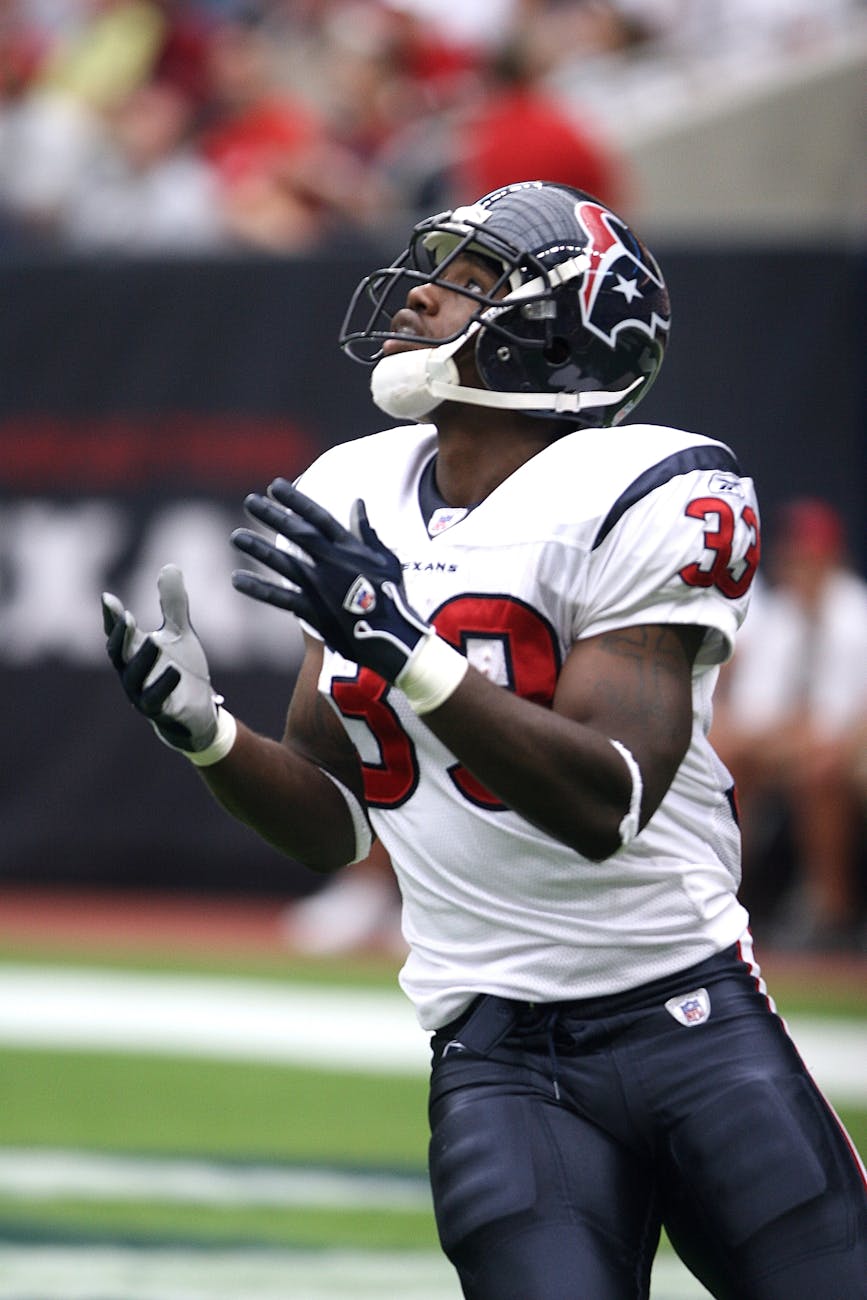
What, you may ask, does any of this have to do with my usual focus on storytelling? Everything, I’d answer. The NFL, along with its incredibly high production values, has been able to invoke a theme and storyline into each one of its games, where — best of all — the ending can be predicted but never assured. The wild card weekend campaigns were exactly that, for the most part the outcome not at all clear until the final whistle.
And as for classic themes? Underdogs. The aging top gun. The aspiring upstarts. The long-standing rivalry. The eight-game winning streak. The eleven-game winning streak. The struggling injured MVP. The last quarter collapse. The last minute comeback. The champions unseated. Winners and losers, for there can be no tie in a playoff. And so on. What could be better?
Finally, since I do generally post about books, let me leave you with five suggestions for further reading about America’s number one viewed sporting extravaganza (89 of the top 100 most-watched television programs in the U.S. this past year and a world-wide audience between 150 and 160 million):
1. The Definitive History
- “America’s Game: The Epic Story of How Pro Football Captured a Nation” by Michael MacCambridge If you only read one book on the NFL, this is it. It traces the league’s evolution from a struggling secondary sport in the 1940s to a multi-billion-dollar cultural juggernaut. Meticulously researched and reads like a sweeping American epic.
2. The Great Biography
- “When Pride Still Mattered: A Life of Vince Lombardi” by David Maraniss More than a sports biography, it’s a deep dive into the mid-century American psyche. Pulitzer Prize-winner David Maraniss explores the myth and reality of the Green Bay Packers’ legendary coach, illustrating how he became a symbol of discipline and authority in a changing world.
3. The Participatory Classic
- “Paper Lion” by George Plimpton In one of the most famous pieces of sports journalism ever written, Plimpton joins the Detroit Lions’ training camp as a “last-string” quarterback. A hilarious, self-deprecating and incredibly insightful look at the vast gap between a normal human being and a professional athlete.
4. The Gritty Reality
- “Slow Getting Up: A Story of NFL Survival from the Bottom of the Pile” by Nate Jackson While many books focus on superstars, Jackson provides a raw and poetic account of life as a “journeyman.” He details the physical toll, the constant anxiety of being cut, and the absurdity of the NFL business from the perspective of someone just trying to stay on the roster.
5. Tactical & Strategic Insight
- “The Games That Changed the Game” by Ron Jaworski For a reader who wants to understand why the game is played the way it is today, this book breaks down seven specific games that introduced revolutionary schematic shifts—from the birth of the vertical passing game to the modern blitz.
And in case you’re wondering where I’ll be on Super Bowl Sunday (Feb. 8), the answer should be obvious: I’ll be glued to the set and cheering (hopefully) for my favourite team.

Leave a comment