
I know I promised to post no more than every two weeks, but, hey, the Winter Olympics are on now, presenting a rare opportunity for the world to put aside dire thoughts and engage in friendly sports competition.
Anyway, who knows where you or I will be in four years time. This may be my last chance to post about this event.
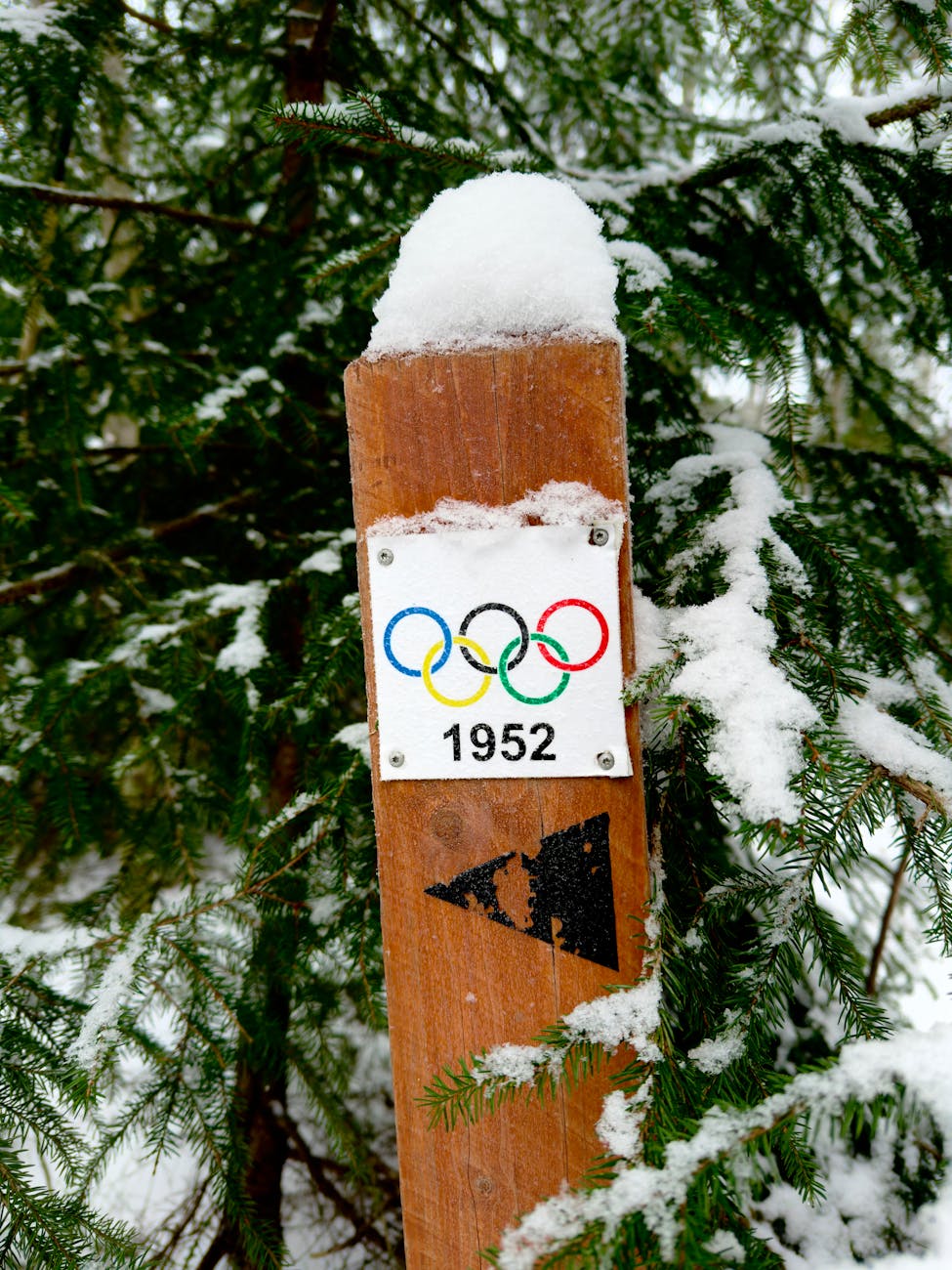
The Milano/Cortina 2026 games are in full swing now, already providing scenes of excellence and drama, upsets and, of course, thrilled winners. I won’t say losers because any competitors who reach these exalted levels are amongst the very best the world has to offer, all champions to my way of thinking and all providing the world a rare break from whatever regularly ails it.
Medicine for the soul, as my wife says.
So, no time like the present, and let me turn to a sport first played in the Olympics in 1924 but awarded only medals from 1998 on. And one that, in my youth, I was actually pretty good at, even meeting with some success.
Yes, I’m talking about curling. One of those sports that must seem incredibly boring or at least slow-paced to any wayward spectator chancing by a game. Certainly, nothing like the Olympic’s real standout sports: ice hockey, figure skating or downhill racing.
Growing up in Canada’s prairies in mid-20th century, there were only two legitimate winter sports — hockey and curling. While I’d happily watch the former, it was not a sport I enjoyed playing. Curling, on the other hand, held out more allure.
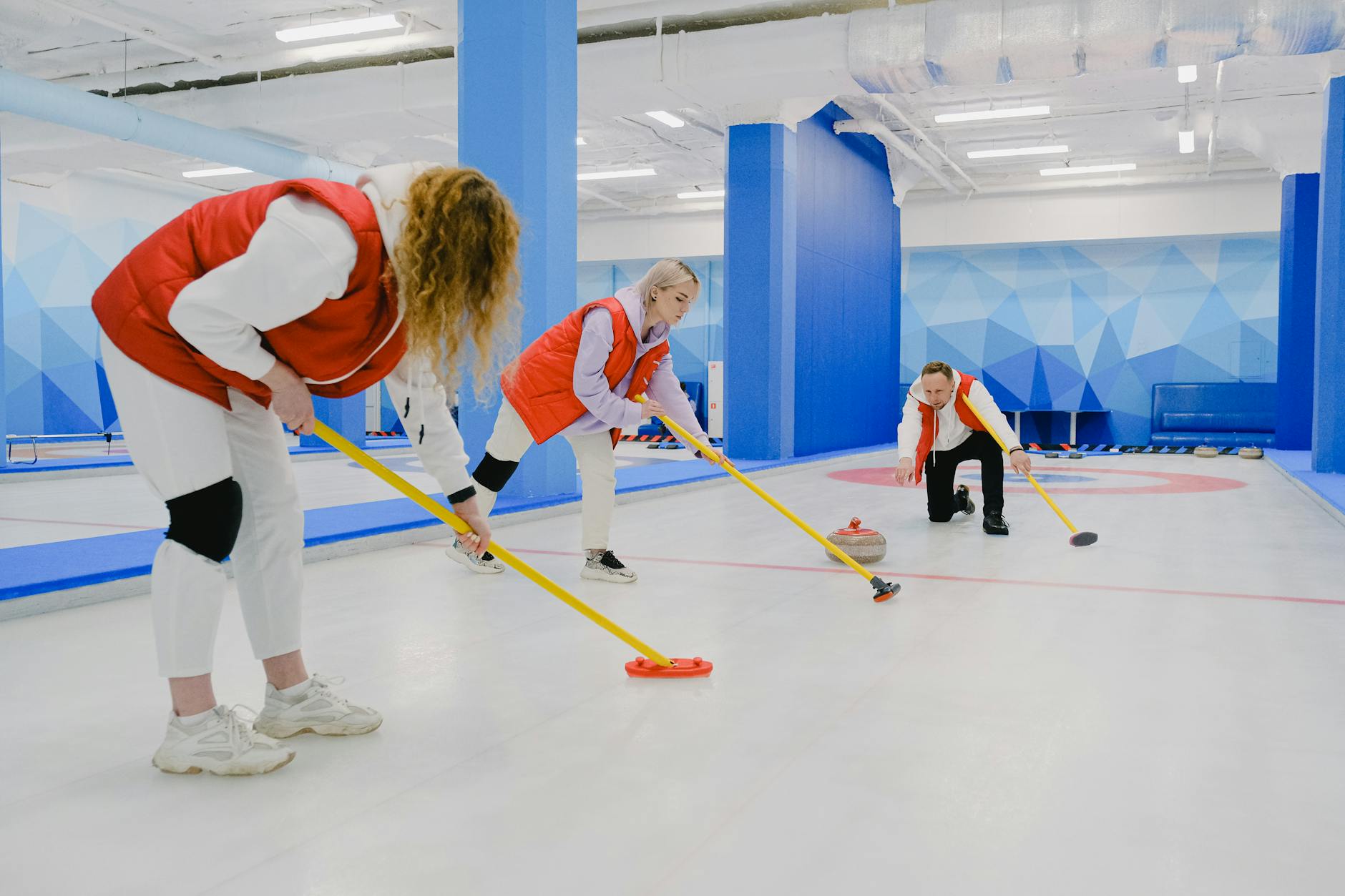
Often called “chess on ice,” curling’s primary allure lies in the strategizing. Unlike many sports that rely solely on raw athleticism, curling is a game of angles, friction, and foresight. Every stone thrown is part of a larger tactical puzzle, requiring teams to think several ends ahead to outmaneuver their opponents. This mental tug-of-war—deciding whether to play a defensive “guard,” an aggressive “takeout,” or a precise “draw” into the house keeps both players and spectators perpetually engaged in the high-stakes logic of the ice.
Beyond the strategy, the unique physical mechanics of the sport provide a fascinating spectacle. There is a beauty in the delivery, as a player glides out of the hack with a 44-pound granite stone. However, the true “magic” happens during the sweep.
Sweeping is an intense aerobic workout that serves a scientific purpose: the friction momentarily melts the ice, reducing drag and “straightening” the stone’s path. This direct influence over a projectile already in motion is a rarity in sports, creating a tense, micro-managed drama as the stone inches toward its target.
Back in my day the backswing was huge and we used corn strand brooms. Not any more; no one lifts the rocks and man-made brushes have replaced the brooms. Far easier on the back now and much less mess to clean up at the end of each game.
Canada used to dominate international competition. Not so much today, where the USA, Scotland and Scandinavian countries all provide winning entries. Back in my playing days, the greats seemed larger than life and came mainly from out west — “Dapper” Donnie Duguid (from my hometown), the Richardson brothers (from Saskatchewan), Ron “the Owl” Northcott (from Alberta) and Ed “Cool Hand” Lukowich (also from Alberta), just to name of few of the more celebrated skips.
Perhaps the most enduring attraction of curling is its culture of sportsmanship and community, famously known as the “Spirit of Curling.” It’s one of the few competitive sports where players routinely congratulate opponents on a great shot and where self-officiating is the gold standard.
Such camaraderie is extended off the ice as well; the tradition of the winning team buying the losing team a drink afterwards ensured that social bonds remain important. Whether at the local club or the Winter Olympics, the sport maintains a welcoming atmosphere hard to find elsewhere.
I curled as teenager and well into my early twenties. A lot. At one point, twice on Saturdays, in two different clubs, as skip in the morning and as a second in the afternoon. Pretty tiring, let me tell you. And then we had the occasional bonspiel, usually over the Christmas vacation. I also volunteered for the 2010 Winter Olympics held in Vancouver, and was thrilled to end up at the curling venue. Nothing could have been better in my books.
As for playing the game, although I could hold my own with others, only once did I win a competition as a skip, during my days in the military. Here I am (the one in full uniform) with the winners’ trophy (and, for some unknown reason, a life-sized steer carved in ice):
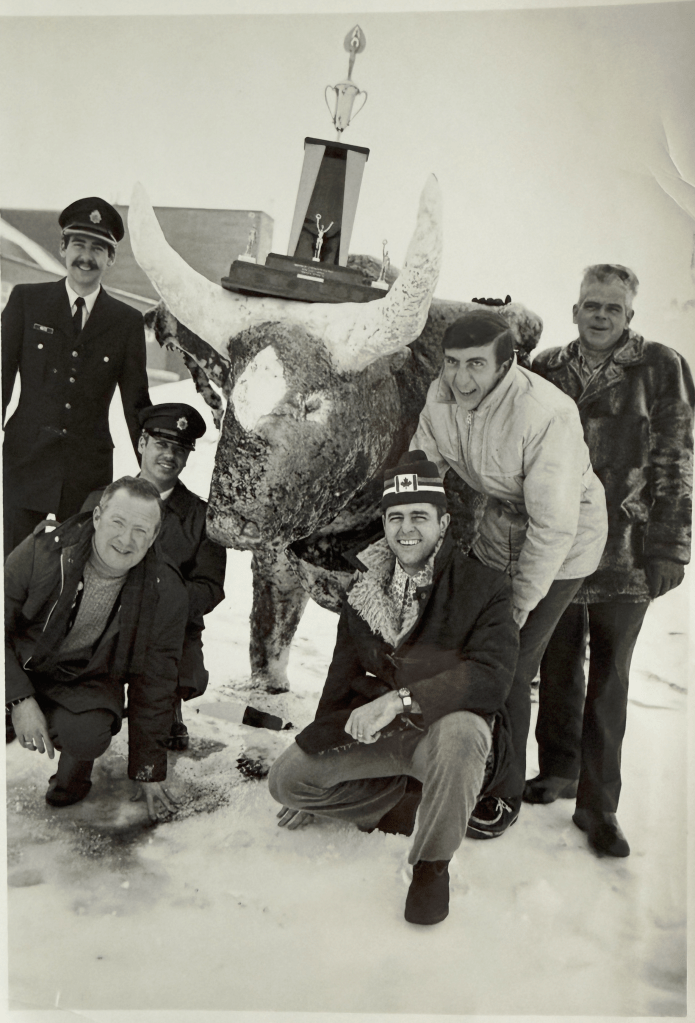
Winter, 1973
Next week, back to the harsher realities of life.

Leave a comment