
Back to reality.
Since I began publishing this bi-weekly blog back in June, 2020, it’s had a subtitle of: ‘A Reading Life and A Writing Journey’.
In other words, it’s been focused on The Ravenstones series, on books in general, on reading, on being an author and, finally, on what goes into that experience.
However, I’ve made one exception to this content, posting four times about Russia’s invasion of Ukraine. Every February, to mark the expansion of the war in 2022, I let the outside world intrude upon my original focus.
Here are links to each post, starting with the most recent:
Of course, each post also focused on a book in my possession that had relevance (and something important to add) about the joint subjects of war and Russia.
Well, Vlad, like Ukraine, I’m not beaten yet. My library still holds one more to throw into the fight:
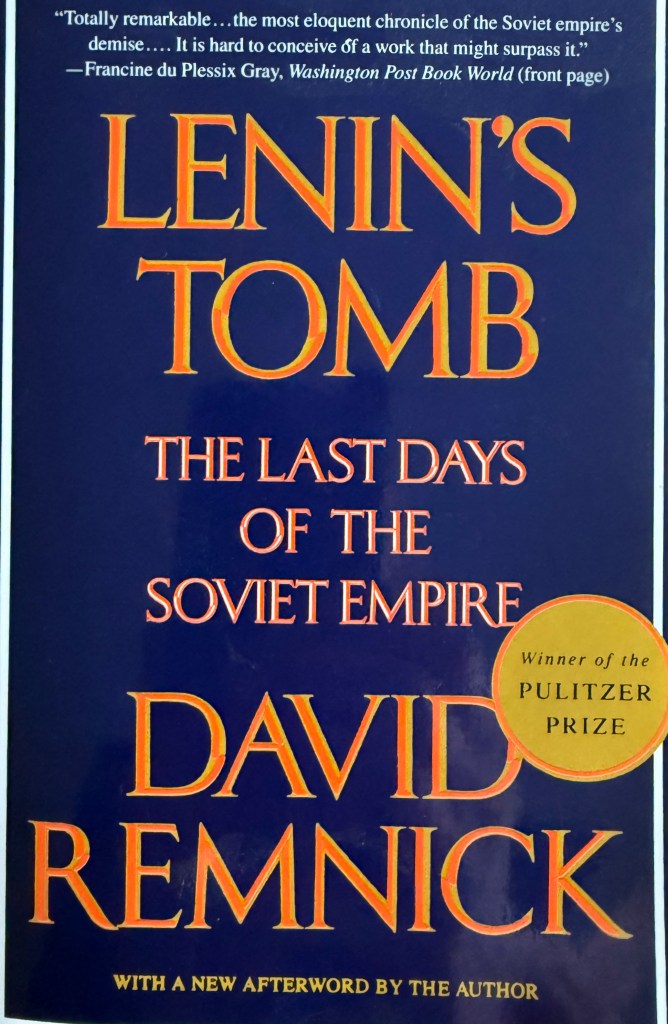
New York: Random House (Vintage Books), 1994
When Russia launched its full-scale assault in February 2022, the world struggled to grasp how such a catastrophe could happen in the twenty-first century.
For David Remnick — longtime editor of The New Yorker and one of America’s most astute observers of Russia — the invasion was not a sudden lurch into madness but the logical extension of Vladimir Putin’s worldview. It was, Remnick argued, a war born of grievance, fear, and a warped sense of history.
My edition of Lenin’s Tomb was an update to a prior edition published the year earlier. Readers like me benefitted from a short Afterword, dated January, 1994. At that moment, Putin was still a bit player on the stage of Russian politics, nothing more than the deputy head of St. Petersburg’s city administration. As such, back then, he does not even merit a mention in Remnick’s book.
But the author’s words of warning about the state of Russian society in the early 1990’s presaged what was to come:
“For tens of millions of Russians the story of their country since Gorbachev’s advent in 1985 has been one of unremitting loss and wounded pride…The empire has vanished. That the economy is dying is obvious to any western visitor. Less obvious is the Russian’s anxiety about his place in the world. The jewels of empire are lost: the beaches of Crimea, the vineyards of Moldova, the oil fields of Kazakhstan, the ports of Odessa — to say nothing of Prague, Budapest and Warsaw — all are within foreign lands now.” (p. 535)
Remnick takes note of a poll published in the daily paper Izvestia: only 11% of respondents felt Russia was still a great power, but 66% believed that “the country should regain its lost prestige on the world stage.” He then adds, “between those two statistics is a great longing, a feeling of national loss and anxiety. And that longing, as much as the failing economy, is a lethal weapon”. (p. 535)
Some observers at the time recognized the rise of a charismatic authoritarian movement in Russia and an emerging period of fascism that evoked Germany’s post World War One era.
Boris Yeltsin’s one time advisor, Galina Starovoitova (shot to death in St. Petersburg in 1998), is quoted as saying, “A great nation is humiliated, and many of its nationals live outside the country’s borders. The disintegration of an empire has taken place when many people still have an imperialist mentality…All this is happening at a time of economic crisis.”
Throw in organized crime, corruption, limited experience with democracy, polarization, a history of repression and cynicism, you have a perfect recipe for what has occurred under Putin’s autocratic regime.
Since Lenin’s Tomb was published, Mr. Remnick has continued to write about Russia and Ukraine.
Ukraine, in effect, represents everything that Putin cannot abide: a sovereign nation, linguistically and culturally complex, and — perhaps most dangerous of all — increasingly democratic. Since the 2014 Maidan revolution, Ukraine has moved ever closer to Europe and away from Moscow’s orbit. In that sense, Remnick argues, Ukraine’s mere existence as a free society is an existential affront to Putin’s regime.
“What threatens Putin is not Ukrainian arms but Ukrainian liberty,” Remnick wrote in March 2022. A functioning democracy on Russia’s border exposes the hollowness of Putin’s system and hints at an alternative future — one where Russians might one day demand similar freedoms.
The Kremlin’s repeated claims that Ukraine “is not a real nation” or that its people are “one with Russia” are, in Remnick’s eyes, psychological projections — attempts to erase a neighbour that challenges Russia’s myth about itself.
For Putin, then, the war is nothing less than a struggle to control the narrative of Russian history and to extinguish an idea threatening his authority. “When an autocrat is the sole narrator of the national archive,” Remnick writes, “history becomes subsumed into the instrumental aims of policy and control.”
Remnick’s essay “Putin’s Bloody Folly in Ukraine” (March 2022) offered one of the first strong moral indictments of the invasion. The war, he wrote, was “cruel and pointless,” a tragedy for both nations and a strategic blunder that would end up haunting Russia for generations. Misled by his own propaganda, Putin believed that Ukrainians would welcome Russian troops as liberators. Instead, they resisted fiercely, uniting the country in ways that few outside observers had imagined possible.
Ironically, rather than dividing the West, Putin managed to unify it. Rather than weakening Ukraine, he “has achieved the opposite of everything he intended”. The reversal, however, offers little consolation: Ukraine’s cities lie in ruins, its population displaced, its future uncertain.
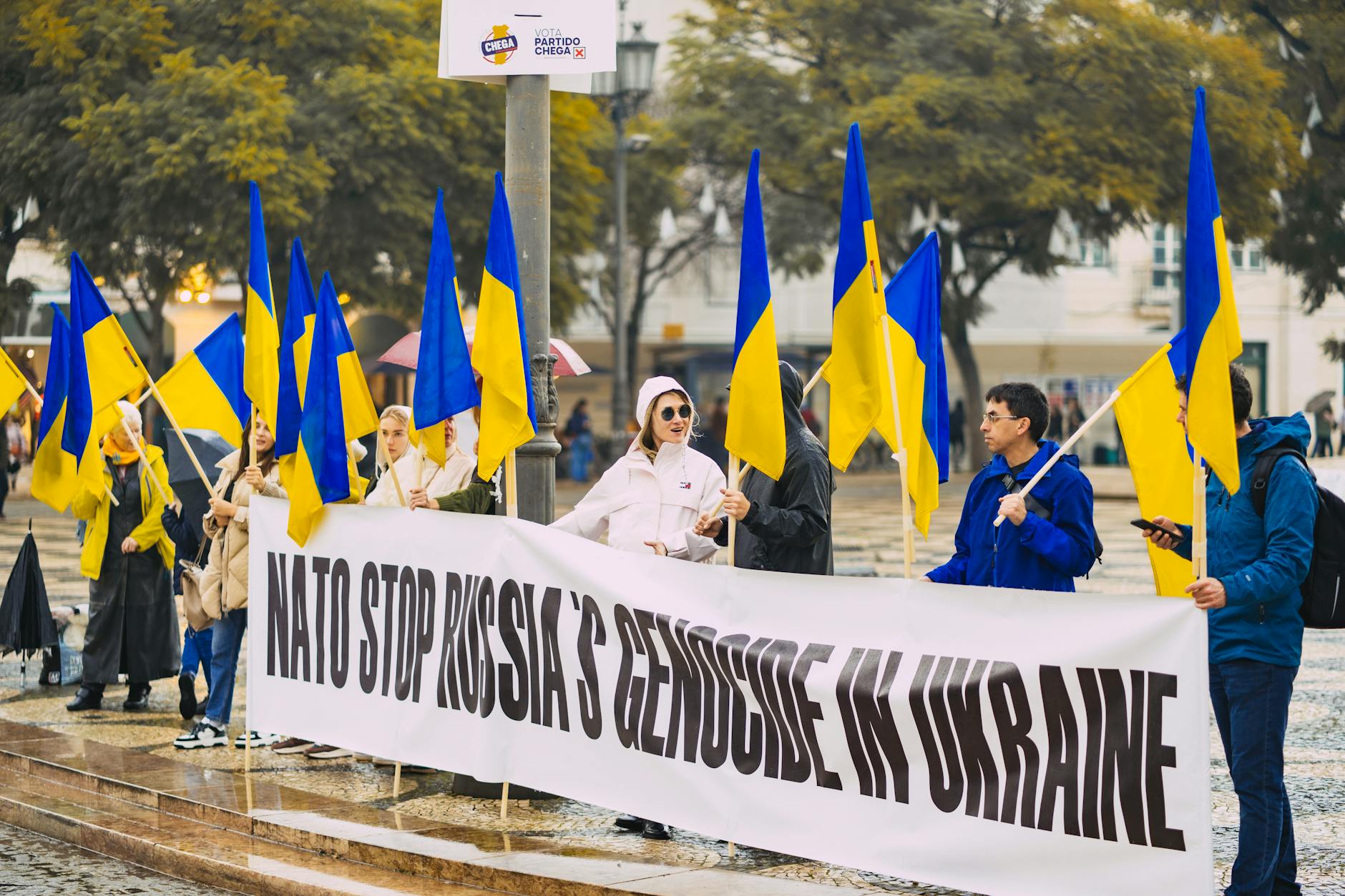
Ultimately, Putin’s assault on Ukraine is, Remnick argues, an attack on the idea that nations have the right to choose their own destiny. In this sense, the struggle mirrors the ideological contests of the twentieth century — not between communism and capitalism, but between freedom and an authoritarian impulse that refuses to die.
Remnick’s message is sobering. The assault on Ukraine reveals how quickly history can turn backward, how fragile democratic progress can be when confronted by authoritarian power. It also demonstrates, paradoxically, how aggression can reawaken moral conviction: the unity of NATO, the resilience of Ukrainians, the renewed sense that freedom requires vigilance.
Still, the West’s attention span may fade long before Ukraine’s ordeal ends. Putin, for all his miscalculations, is betting on time and exhaustion — that democracies will tire of sacrifice while his autocracy endures. The moral task, Remnick implies, is to prove him wrong.
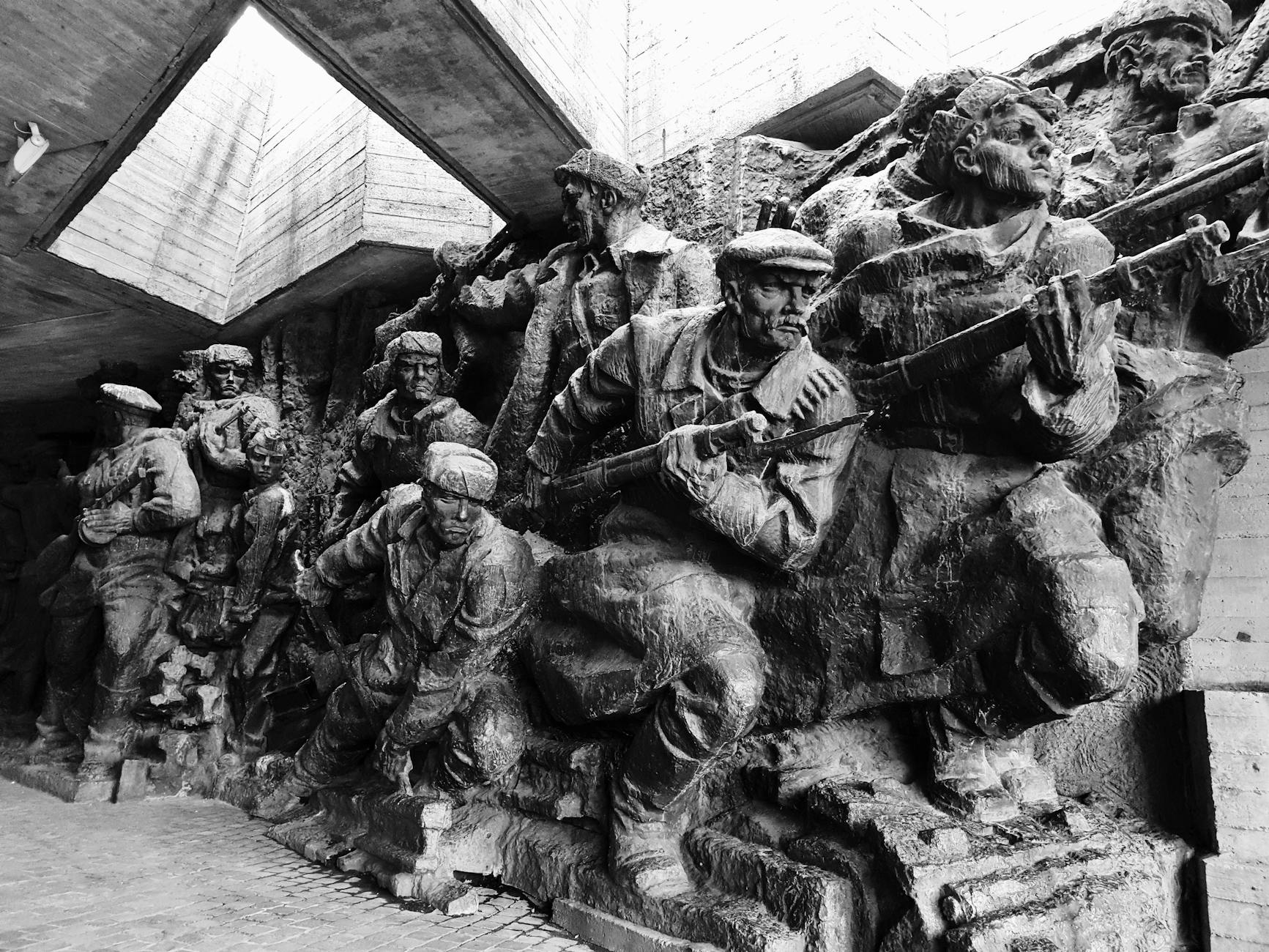
“What threatens Putin,” Remnick reminds us, “is not Ukrainian arms but Ukrainian liberty.” That single line captures both the tragedy and the hope of the conflict: that the defense of one small democracy has become a defense of the democratic ideal itself.
&&&
I wish I could say this post will be the last on this painful subject. I wish I could declare that the western powers had already stepped up, united one and all, to bring a halt to such aggression.
But I cannot; not yet anyway. Even though hope springs eternal, even though most European allies stand firm and even though peace talks continue, the war drags on and more lives are lost.
I may have to come up with another book in a year’s time.

Leave a comment