
Earlier this fall I posted about Harold Darling, Green Tiger Press and the world of children’s book illustration.
Today my subject is David Larkin and Peacock Press (a part of Bantam Books), whose publications followed a similar path back in the mid 1970’s.
During those years, I acquired a small collection of Larkin’s excellent publications (Goodreads has a list of thirty separate titles) and several other similar books from other publishing houses.
The books are similar is size and scope, with introductions by experts in the field (e.g. primarily Leo John de Freitas,but also others) and 40 pages of colored illustrations.
It was a time in my life (after my stint with the Canadian Embassy in Washington, D.C.) that my interest in collecting artwork (especially posters and prints) had grown significantly. I’d purchased several pieces and was contemplating going into the art business (importing mid-20th century graphic works from England and selling them in Canada).
In undertaking research for this post, I checked out Wikipedia, my usual go-to source of information. Unfortunately, although it does have at least one site for a book edited by Mr. Larkin, it has no listing for him. Online, otherwise, little detail exists.
That being said, I suspected that the similar timing between Green Tiger and Peacock was not coincidental but rather originated with the expiry of copyrights. Or, if not that, possibly due to technological advances in the printing process. It turned out that my instincts were correct: both were true.
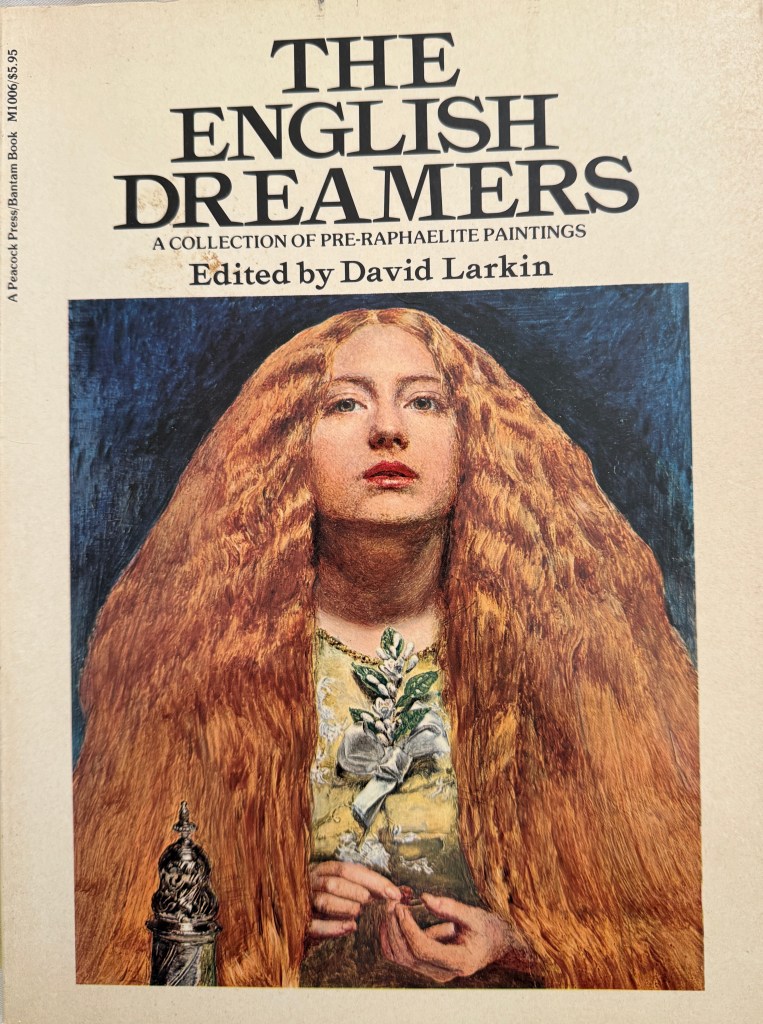
In the mid-20th century, a quiet revolution took place in the world of publishing, driven by a renewed interest in the work of illustrators from the so-called “Golden Age” of book illustration. Among the key figures behind this movement were Larkin and de Freitas, whose collaborative work at Peacock Press played a vital role in restoring these visual treasures to the cultural mainstream.
Their efforts were part of a broader trend that surged in the 1970s, blending academic rigor, artistic appreciation, and technical innovation to celebrate the forgotten masters of illustration.
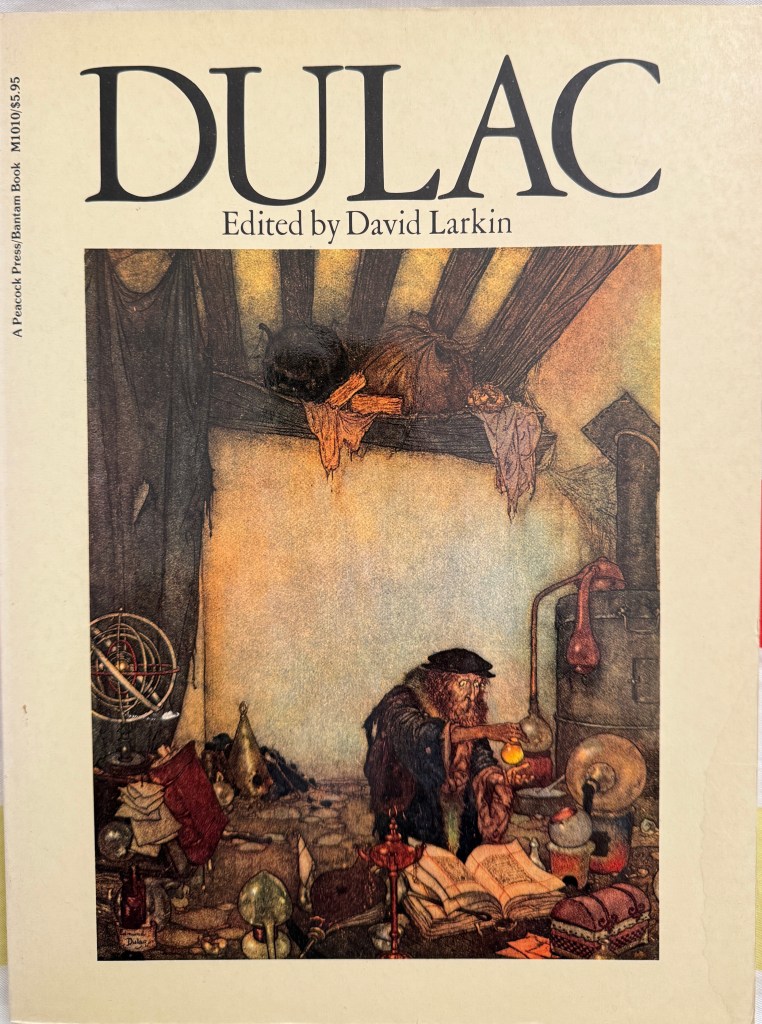
David Larkin, a visionary editor who passed away in 2020, served as a creative catalyst in this revival. At Peacock Press, he spearheaded the production of beautifully curated art books that honored illustrators such as Arthur Rackham, Edmund Dulac, Kay Nielsen, and Sulamith Wulfing.
These books were more than collections of images; they were scholarly, reverent tributes that contextualized the artists’ lives and work with critical insight and high production values. Larkin’s astute eye and commitment to visual storytelling redefined how illustrated books were published, inspiring a generation of collectors and artists alike.
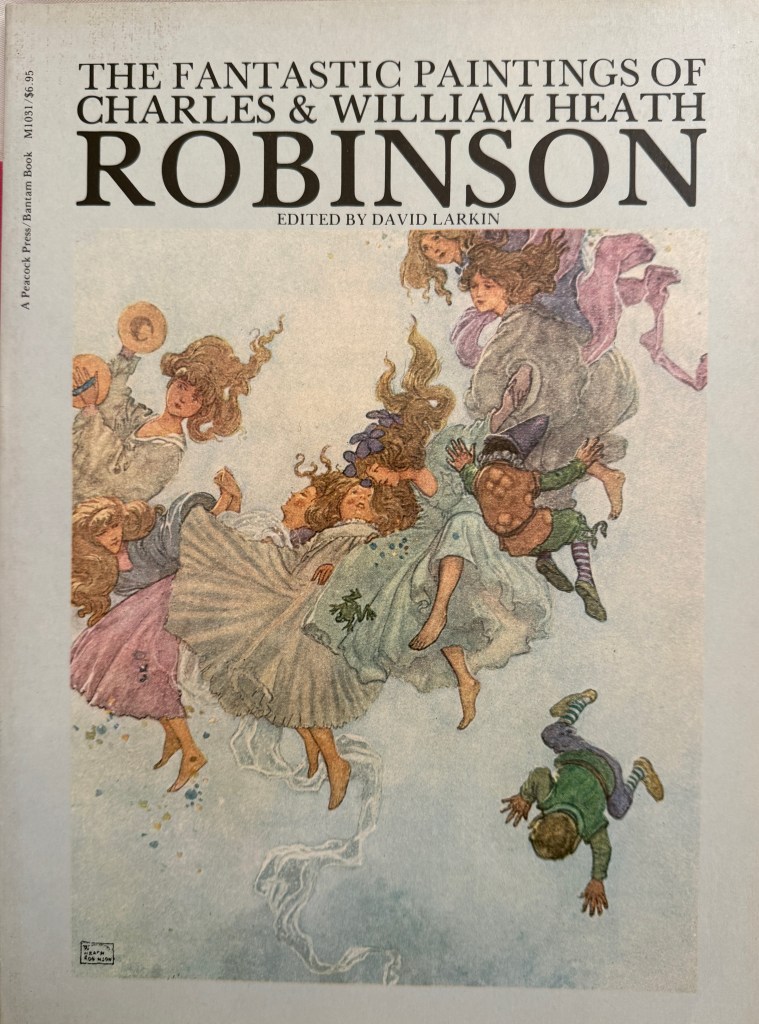
A crucial collaborator in this endeavor was Leo John de Freitas, a graduate of England’s Ealing School of Art. De Freitas, who deserves a post on his own, brought to these projects a rare combination of historical knowledge and artistic sensitivity.
His expertise in Edwardian and Victorian illustration enabled him to contribute not just commentary but also a curatorial depth that gave the books intellectual credibility. Working alongside Larkin, he helped produce some of Peacock Press’s most memorable volumes, ensuring the illustrations were both accurately represented and thoughtfully interpreted.
The Ealing School of Art itself was an important incubator of this visual revival. Active particularly from the 1950s through the 1970s, it trained a host of influential creatives in fine art, fashion, graphic design, and illustration.
Known for its progressive teaching and interdisciplinary approach, Ealing counted among its students not only de Freitas but also future cultural icons like singer Freddie Mercury and artist Alan Lee (best known for his work inspired by J. R. R. Tolkien’s fantasy novels).
As noted above, in the 1970s, the expiration or impending expiration of copyright protections on works by early 20th-century illustrators made it easier and more economical for publishers to reissue classic artwork.
Another factor was a growing cultural fascination with fantasy, mythology, and the supernatural—seen in everything from the popularity of Tolkien to the rise of fantasy role-playing games like Dungeons & Dragons. These tastes aligned perfectly with the intricate, dreamlike styles of the Golden Age illustrators.
Moreover, technological improvements in color printing made high-quality art books more affordable and commercially viable. Publishers like Peacock Press were able to take advantage of these developments to produce richly illustrated volumes that appealed both to the eye and the intellect.
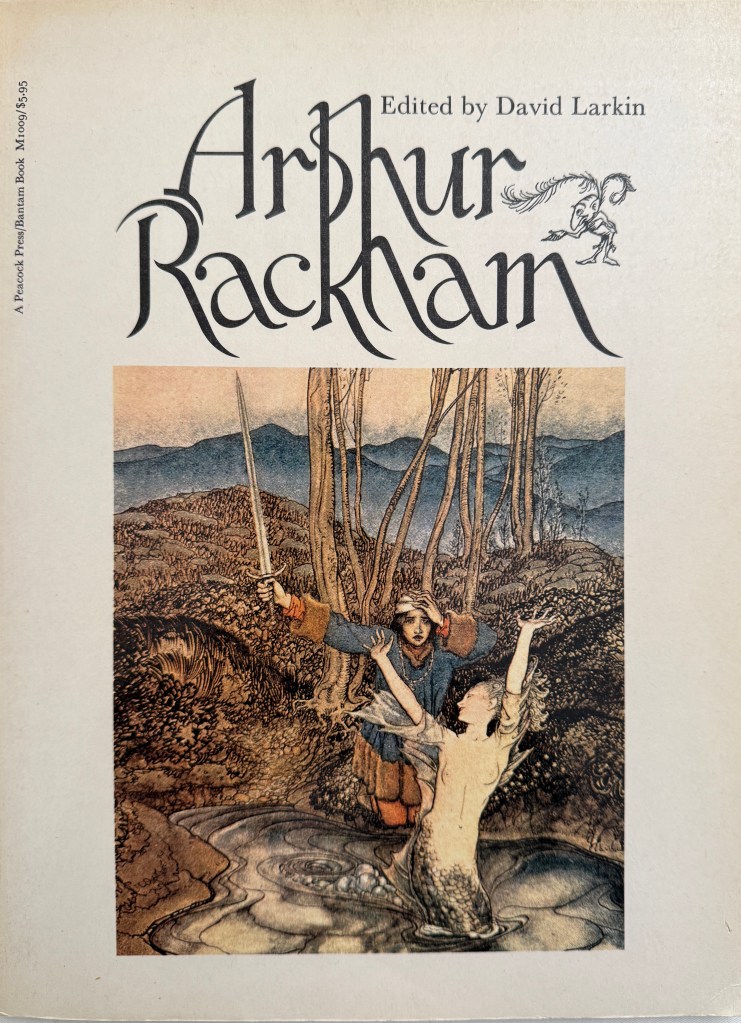
The legacy of this illustrated renaissance remains strong today. The volumes produced under Larkin’s direction continue to be valued for their beauty, scholarship, and enduring relevance. They stand as milestones in publishing history and as tributes to the artists they celebrate. More than that, they serve as a reminder of how vision, dedication, and technology can converge to resurrect forgotten brilliance for new generations.
& & &
Cover photo by the author, taken from The English Dreamers, The Lady of Shalott by John William Waterhouse (1888).

Leave a comment