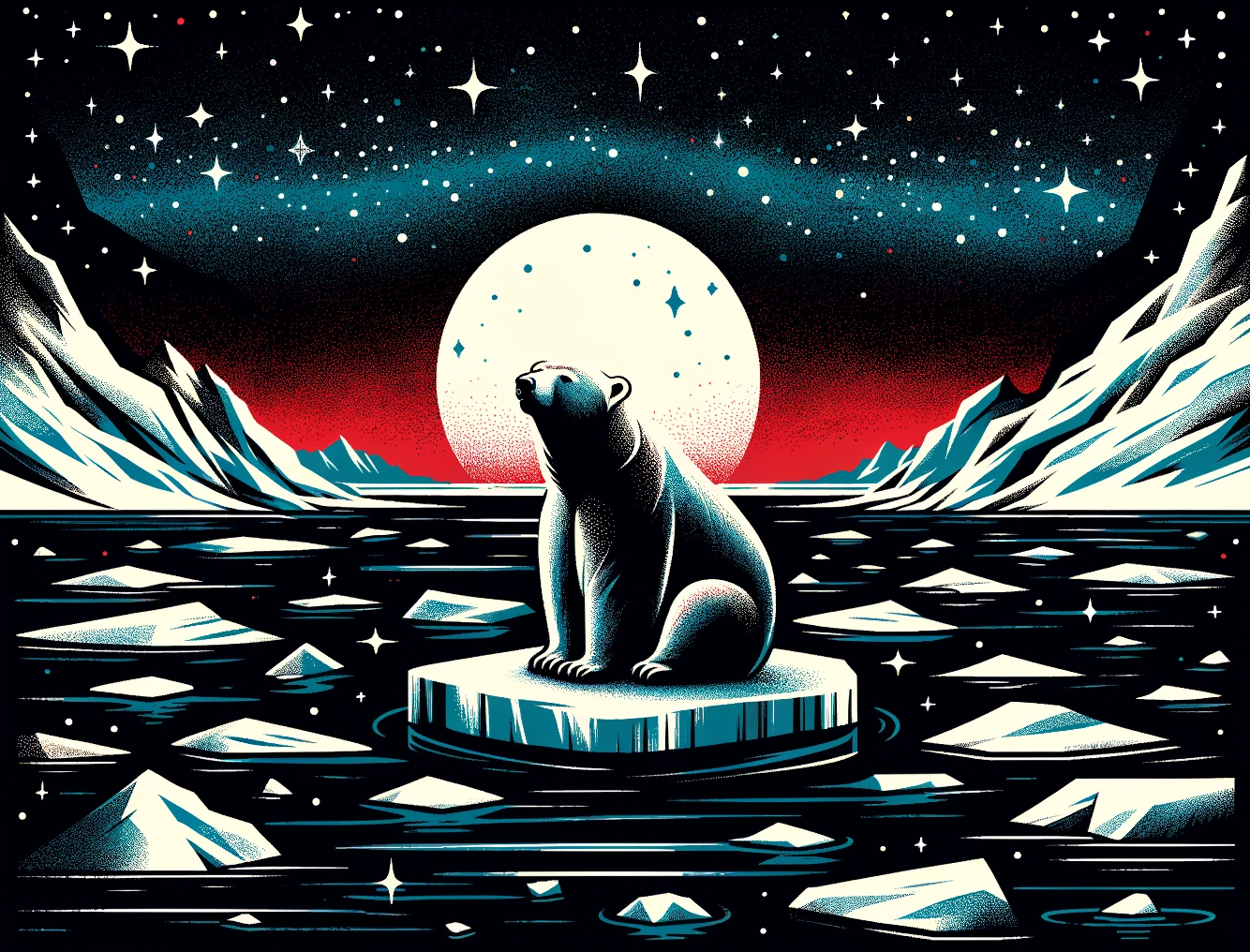
Or so said author Mac Barnett, the U.S. National Ambassador for Young People’s Literature, as quoted in a May 22, 2026 article in The New York Times.
The response to his criticism didn’t go well.
If you want to set the world of children’s literature on fire, a few surefire ways to do it exist. You could suggest that picture books are a dying art form, or you could claim that kids don’t actually like reading anymore.
But if you are Mac Barnett — the celebrated author, two-time Caldecott Honor winner, and ninth National Ambassador — you do it by publishing your very first book for adults, Make Believe: On Telling Stories to Children, and dropping what is already being called “Barnett’s Addendum to Sturgeon’s Law.”
The reaction across social media and the library community was instantaneous and polarized. On one hand, critics and book banners have latched onto the quote as proof from the highest office of youth letters that modern children’s books lack value. On the other hand, defenders of the genre point out that Barnett’s broader book is actually a passionate, radical manifesto defending the intellect of children.
But stripped of the immediate online outrage, the central question remains: Is Mac Barnett’s assessment accurate? To answer that, one must look past the soundbite and examine the core thesis of his work.
To do so, we must first look at Sturgeon’s Law—the famous science-fiction adage coined by Theodore Sturgeon, which posits that “ninety percent of everything is crap.”
But Sturgeon wasn’t attacking sci-fi; he was defending it by reminding critics that the majority of any field (including prestige film, literary fiction, and classical music) is mediocre, and a genre should be judged by its peaks, not its valleys.
Barnett’s addendum merely bumps that percentage up for children’s books, and his reasoning is deeply structural. He argues that since the dawn of the printing press, children’s literature has been a battleground between two competing forces: those who want to tell kids what to do, and those who want to tell them stories.
Barnett claims that a staggering majority of children’s books are not written as art, but as instructional tools or disguised propaganda. They are designed by adults to enforce rules, teach bathroom manners, or build specific emotional competencies. According to Barnett, these books flatter the adults who buy them, but they fundamentally misunderstand the child.
When evaluated through the lens of art and imagination, Barnett’s assessment is profoundly accurate. Walk through any major bookstore’s youth section. The shelves are inundated with celebrity-penned vanity projects, tie-ins for television franchises, and didactic pamphlets disguised as picture books whose sole purpose is to drill a moral lesson into a toddler’s head. If our metric for “good literature” requires a book to possess genuine artistic intent, structural novelty, and respect for the reader’s autonomy, then yes: the vast majority of what is produced fails to meet that standard.
Where Barnett’s accuracy falters, however, is in how he defines the function of a book. By flattening 94.7% of children’s publishing into the category of “crud,” he ignores the multi-layered ecosystem of childhood development.
Children’s books are uniquely tasked with burdens that adult fiction never has to carry. They are tools for early literacy, physical sensory objects, and foundational blocks for social-emotional learning. A simple, repetitious book about sharing or using the potty might lack the artistic brilliance of Margaret Wise Brown’s Goodnight Moon—a book Barnett rightly deifies in Make Believe—but that does not make it “crud” to the parent trying to navigate a toddler’s tantrum, or to the child learning to decode text for the first time.
Furthermore, as librarians and educators have pointed out in the wake of the controversy, what is “crud” to a literary critic can be a lifeline to an emerging reader. Struggling readers often find their footing in highly formulaic series, graphic novel adaptations, or commercial tie-ins. To dismiss such books undercuts the very mission Barnett has championed as National Ambassador: fostering a love of reading for pleasure.
When creators approach children’s books purely as educational delivery mechanisms, they miss the fact that children possess what Barnett calls a “flexible intelligence”—a keen, unjaded set of senses that actually makes them a better audience for pure art. Kids do not need stories in bubble wrap or value-promoting; they thrive on the weird, the unexpected, the scary, and the sublimely silly.
Is it accurate to say that 94.7 percent of children’s books are crud?
Logistically and statistically, the number is a provocative exaggeration, a hyperbole for which Barnett has since apologized, recognizing that it inadvertently handed a weapon to critics eager to devalue the work of children’s authors.
But conceptually and philosophically, Barnett’s warning is dead-on. The value of Make Believe lies in its rallying cry. By demanding that we judge children’s books by the highest standards of artistic integrity, Barnett is demanding that we respect the children who read them. And on that point, he couldn’t be more accurate.
If you want to find the the writers who treated children as complete human beings rather than as “projects” to be lectured—you have to look for the authors who leaned into the weird, the honest, and the delightfully absurd.
Here are several, spanning generations, who got it right by trusting their audience.
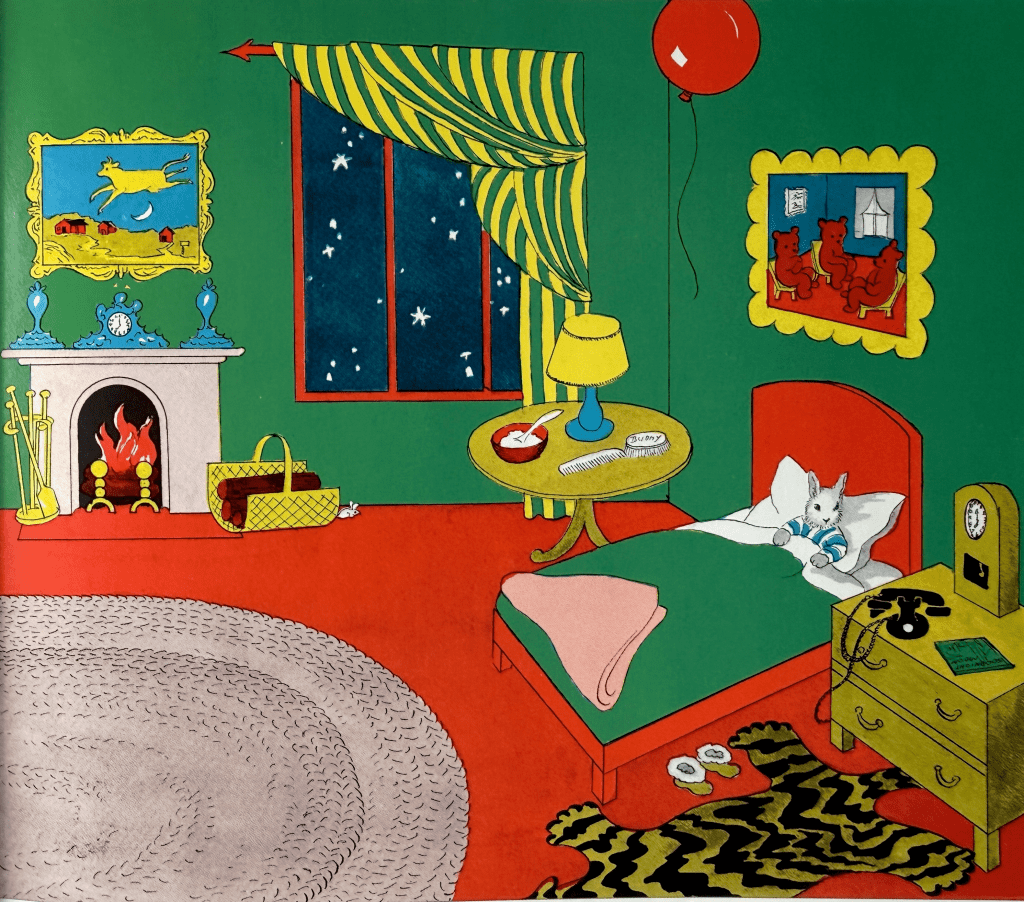
Margaret Wise Brown
- The Proof: Goodnight Moon, The Runaway Bunny
- Why she got it right: Brown is practically the patron saint of respecting a child’s intellect. She realized that young children don’t care about adult logic or tidy moral lessons; they care about sensory details, rhythm, and emotional security. Her books are surreal and hypnotic because she spent years observing how children actually spoke and thought, creating pure art specifically for their developmental wavelength.
Maurice Sendak
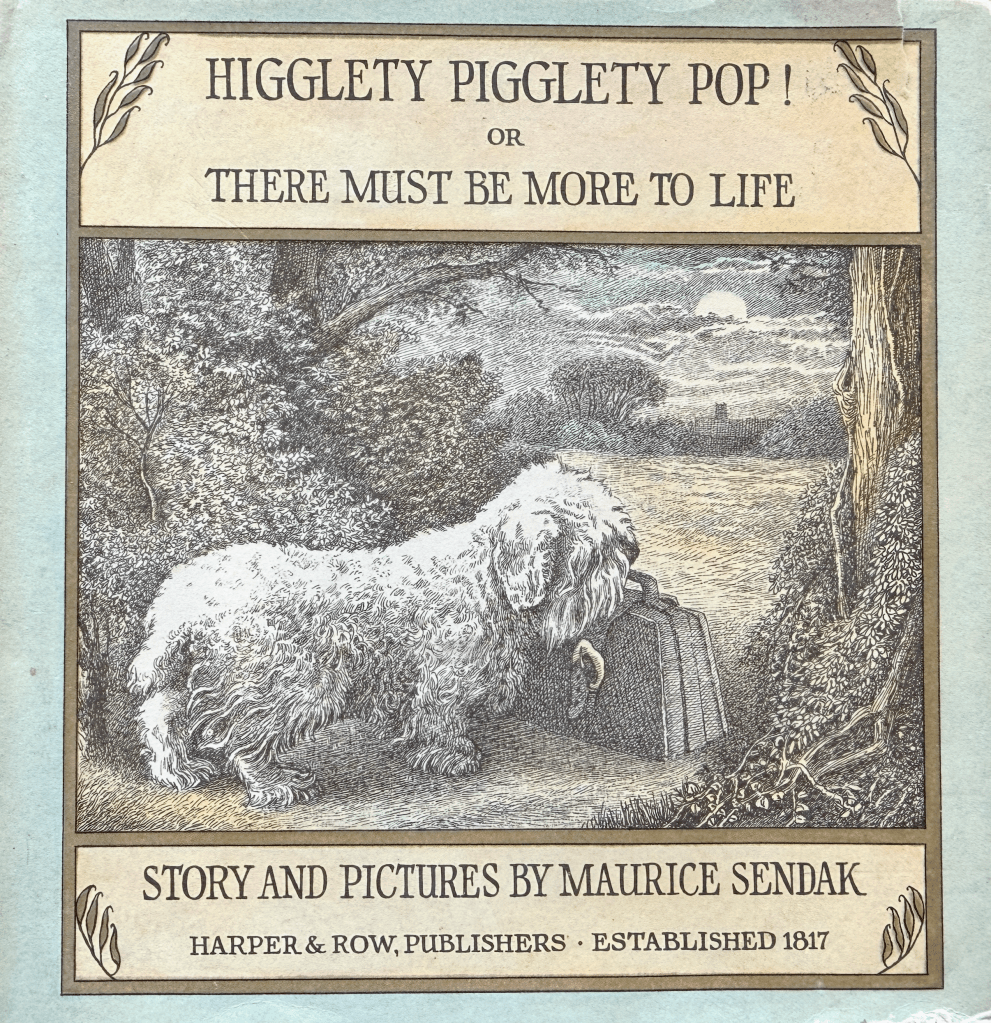
- The Proof: Where the Wild Things Are, In the Night Kitchen, Higglety Pigglety Pop
- Why he got it right: Sendak famously despised “safe” children’s literature. He understood that childhood is full of big, terrifying, and chaotic emotions—anger, fear, and frustration. When Max yells “I’LL EAT YOU UP!” and gets sent to bed without supper, Sendak isn’t punishing him to teach a lesson; he’s validating a kid’s wild inner life.
Roald Dahl
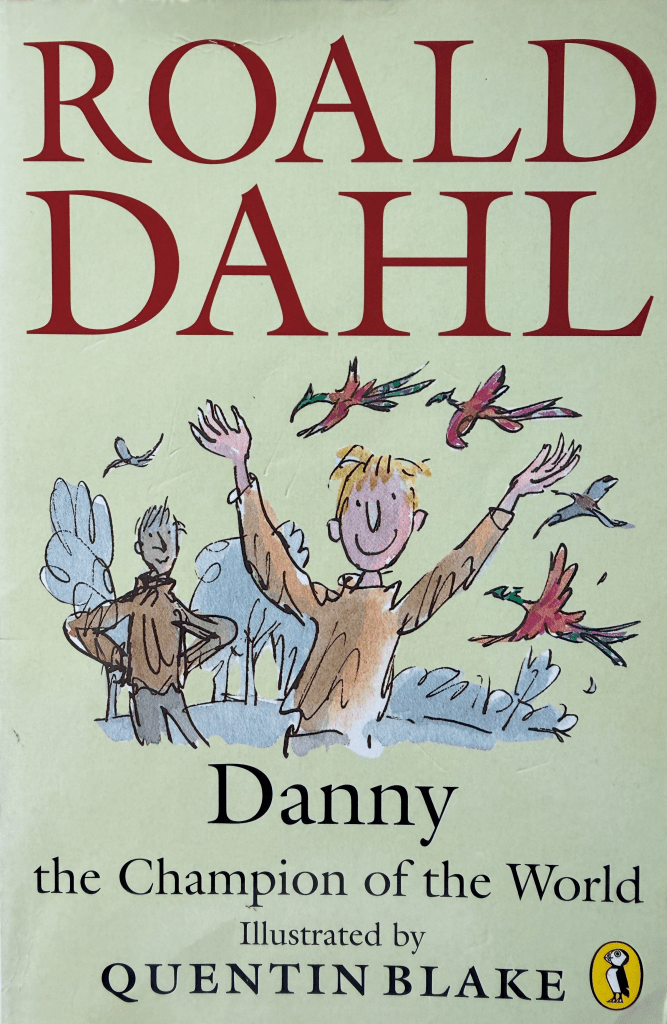
- The Proof: Matilda, James and the Giant Peach, The Witches
- Why he got it right: Despite one’s reservations about the man, he must be included in such a list. Dahl knew that children view the adult world with a healthy dose of suspicion. His books are fiercely subversive, routinely painting adults as grotesque, unfair, or outright malicious, while the children are the resourceful, clever protagonists who save themselves.
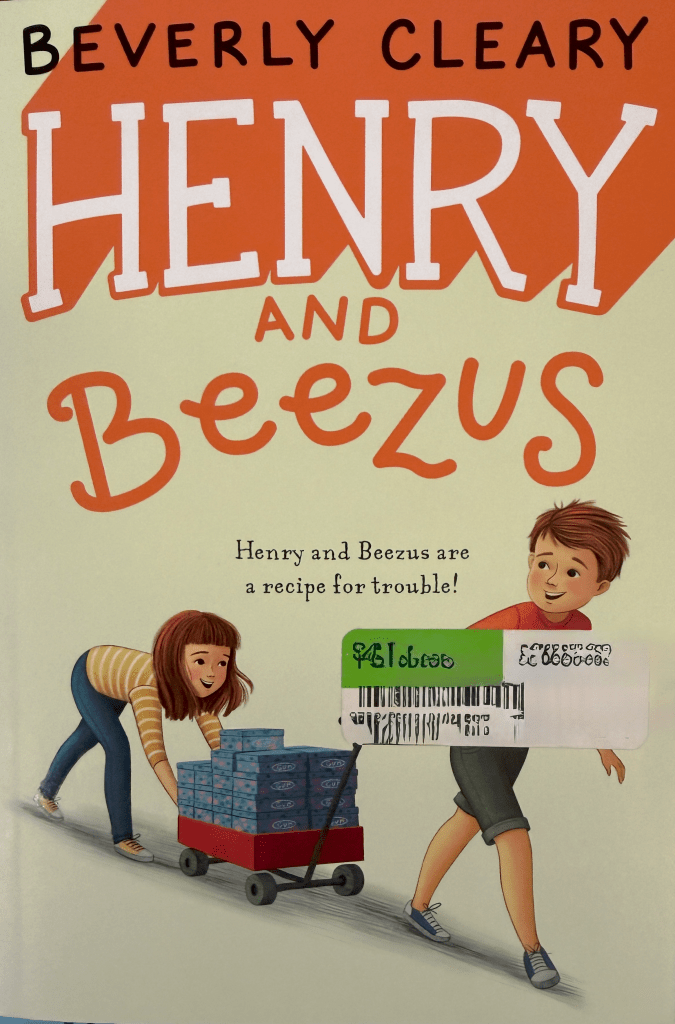
Beverly Cleary
- The Proof: Ramona Quimby, Age 8, The Mouse and the Motorcycle
- Why she got it right: Cleary revolutionized children’s fiction by writing about ordinary life with absolute emotional honesty. Ramona isn’t a perfect angel, nor is she a malicious brat—she is a real kid who accidentally makes messes, gets misunderstood by adults, and feels deeply embarrassed. Cleary never mocked or minimized the very real, high-stakes dramas of a third-grader’s day.
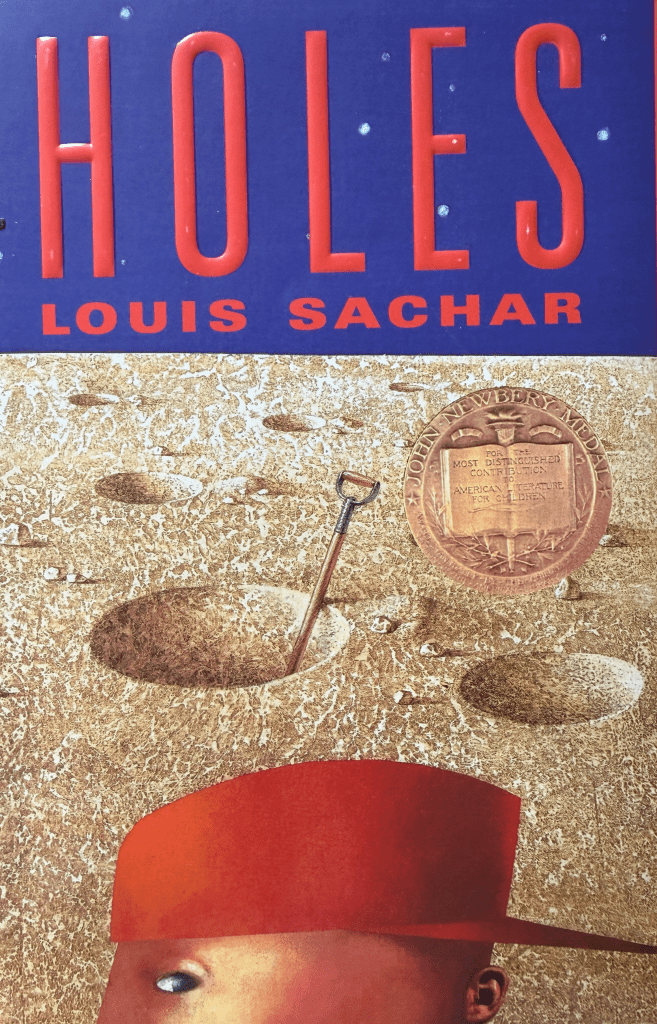
Louis Sachar
- The Proof: Holes, Sideways Stories from Wayside School
- Why he got it right: Whether writing logic-bending absurdist comedy or a brilliantly intricate puzzle-box mystery, Sachar knows kids are incredibly sharp systems-thinkers if you give them a story worth tracking. Holes trusts young readers to keep track of three interlocking, non-linear timelines spanning generations.
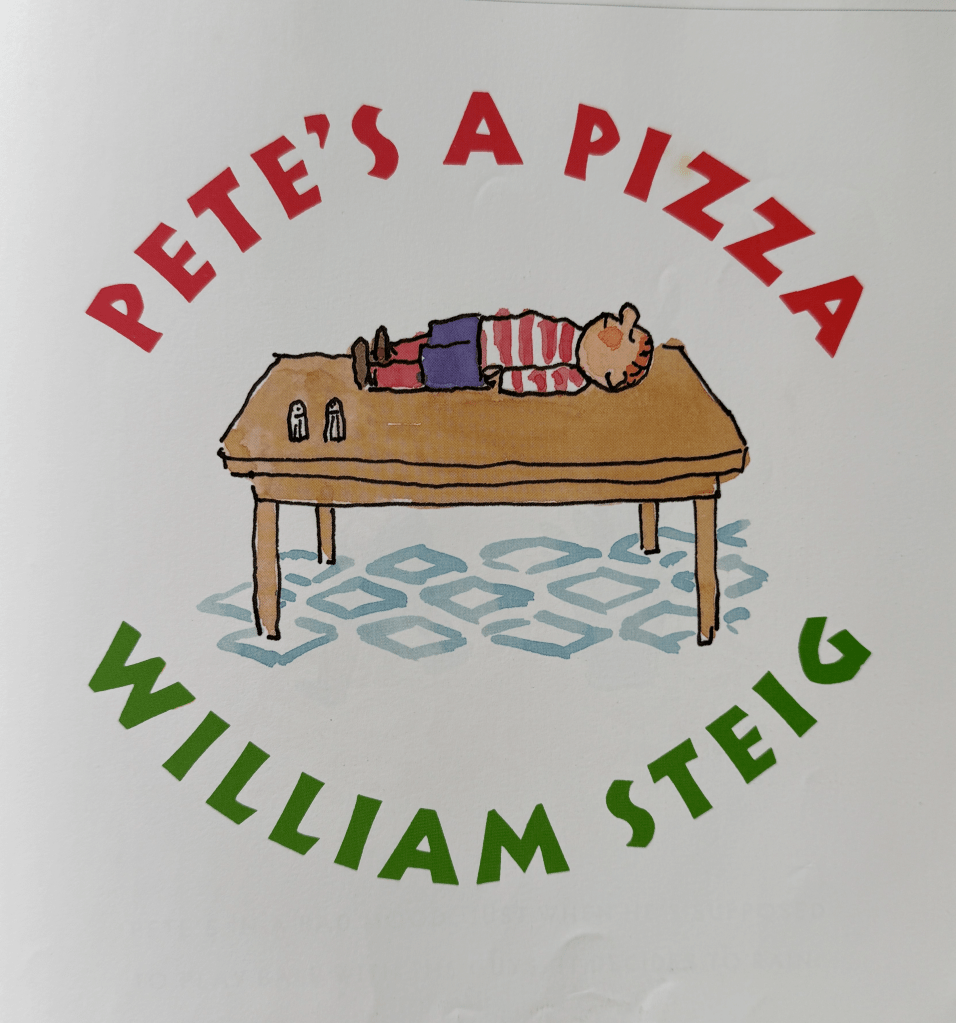
William Steig
- The Proof: Sylvester and the Magic Pebble, Shrek!
- Why he got it right: Steig loved vocabulary and refused to use a simple word when a gorgeous, complicated one would do. He filled his books with words like fetid, bivalve, and melancholy, trusting that kids would either figure them out through context or just enjoy the flavor of the language. His stories are beautifully eccentric and deeply respectful of a child’s capacity for wonder.
While I can attest to each of these wonderful books, having read them to my own children, I’m sure readers could come up with their own list of favorites (feel free to make suggestions). These and so many others lie in wait to be discovered and explored at your local library.


Leave a Reply