
In my March 20 essay, I mentioned in a post script that my mother had passed away at the age of 105. This past week her ashes were buried alongside those of my father in Ottawa’s Beechwood Cemetery.
I’ve been wondering how best to acknowledge her here, whether to provide the usual encapsulation of a life story: her childhood in England; her family’s travel to and brief stay in Perth, Australia in the 1920’s; her career prior to meeting my Dad during the Second World War; her accomplishments (actress, painter, chronicler); her many moves to and across Canada as wife and homemaker; her career as a university librarian; and, finally, finishing off with her time and voluntary work in Toronto after my Dad’s death in 1995.
But then, realizing I could never do justice to her whole life and recognizing that the focus of these short posts is books, I concluded that whatever I wrote should deal with her love of reading, a trait she passed on to me in spades and doubtless led to my career choices.
Further, the post had to come down to one book and one date in particular.
On June 7, 1941, my mother, then living in the south of England during the worst moments of the Second World War, turned 21.
Just think about that for a moment. I suspect few amongst us, living in the comfortable confines of the western world, can imagine what that period of time must have felt like. Standing alone (apart from its colonial allies) against Hitler’s mighty Wehrmacht, which had already conquered the rest of Europe, was striking forward in North Africa and was about to invade the USSR. Having suffered through eight months of bombing raids (2 million buildings destroyed and at least 86,000 civilians killed or wounded). Expecting a land invasion at any moment. With little hope on the horizon and much to fear.
These were dark days indeed, almost impossible to visualize by those of us who have experienced nothing but peace. The victory over Nazism that we know of (and perhaps take for granted) was far from assured in June 1941.
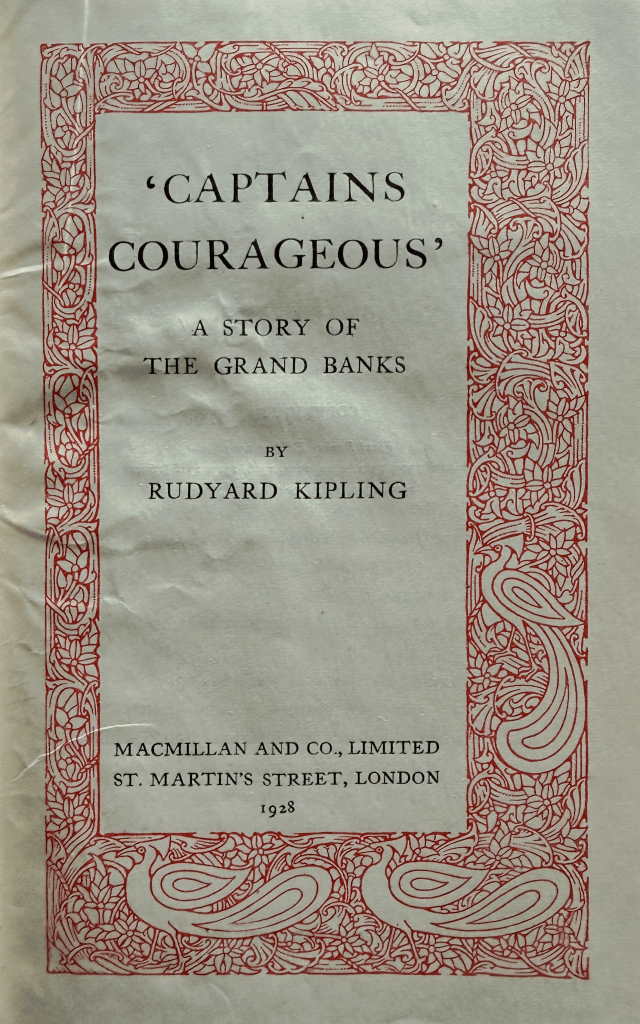
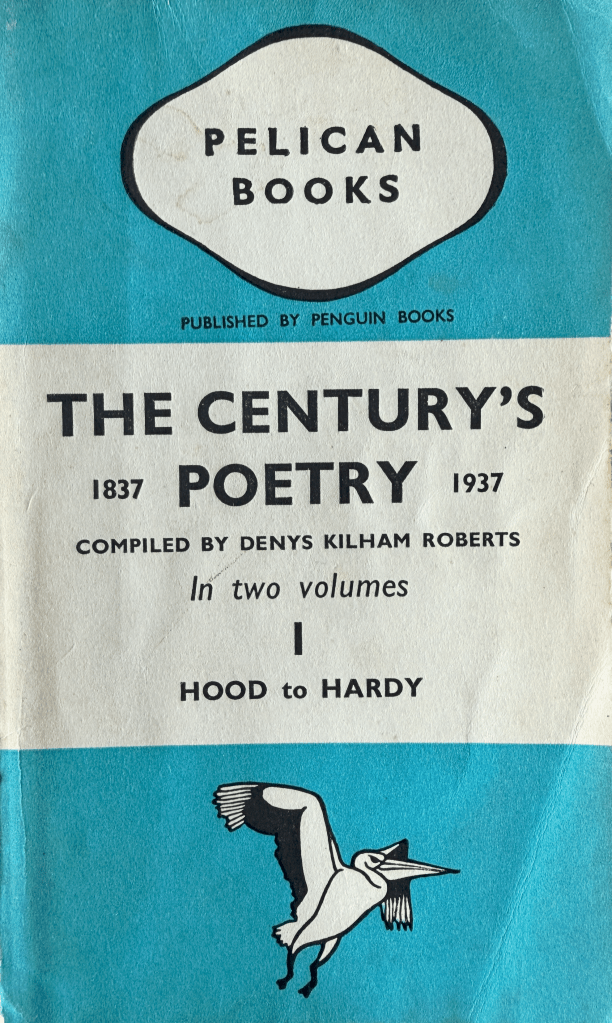
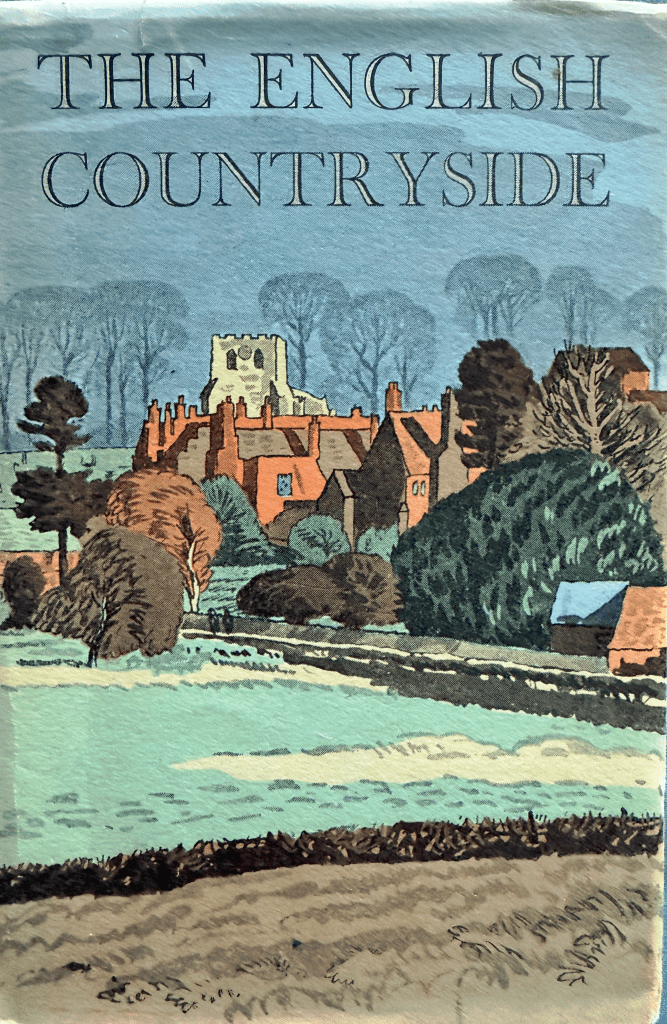
Now my mother, appreciating several literary genres, passed many books on to me upon leaving her Winnipeg home for Toronto. And let me assure you, there were a whole lot more, a slew of which made it to Canada on her great transatlantic sea voyage after the war. Here’s but a small sample:
Classics:
Poetry:
Nature:
But among all the books that she handed down to me, only one possessed a dated inscription, a present given to my Mum on that 21st birthday.
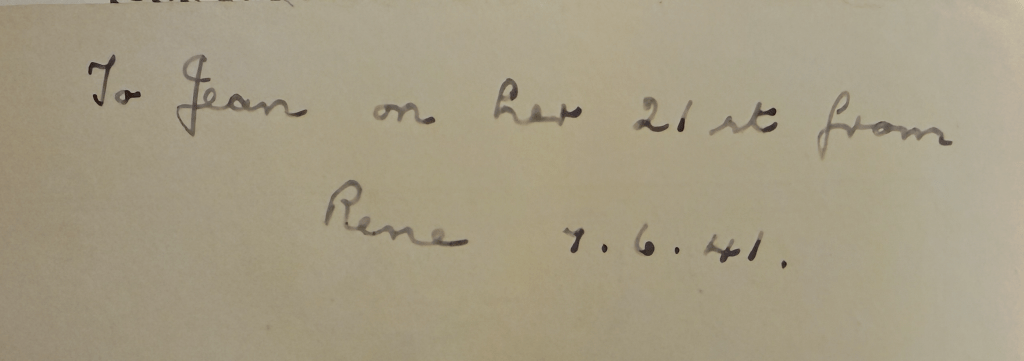
This gift led me back to that period. The war had been waging for almost two years. How did things stand in the late spring of 1941? What would a young woman in her first years of employment be feeling and thinking, as she’d barely entered adulthood?
In that spring, England was transitioning from the heaviest period of the Blitz. May/June 1941 marked a turning point. London was reeling from months of nightly raids, culminating in one of the most destructive nights of the entire war.
On the night of May 10, the Luftwaffe launched a massive attack involving over 500 aircraft. This raid caused more than 3,000 casualties and struck several iconic landmarks. The House of Commons chamber was destroyed; Westminster Abbey’s roof was set on fire; and the British Museum was hit.
Despite the destruction, Londoners were adjusting to “the new normal.” June 1941 saw the introduction of clothes rationing, forcing citizens to use coupons for every item of apparel, further embedding the “Make Do and Mend” philosophy into daily life.
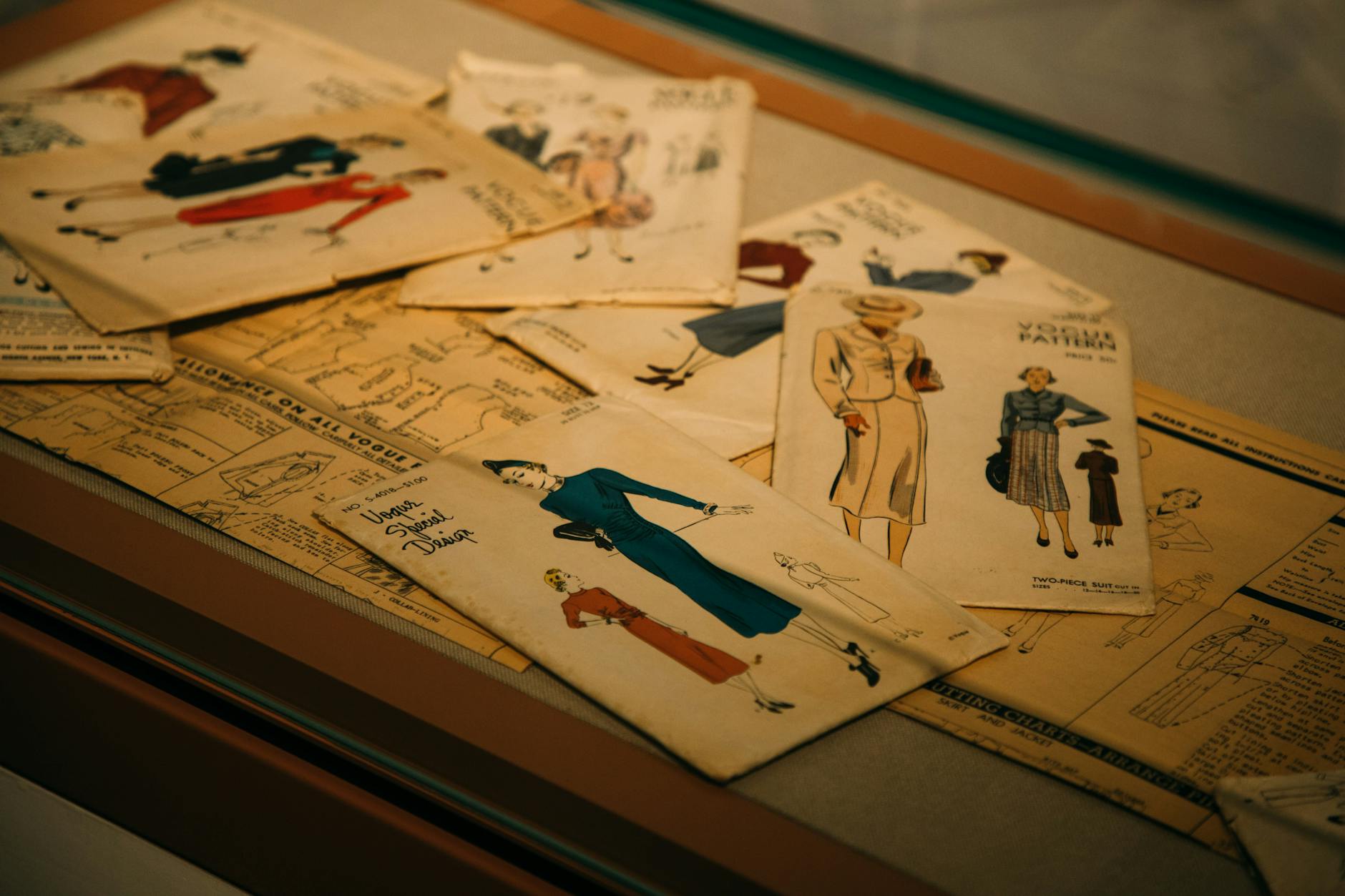
During this time, my mother’s employer, the National Amalgamated Approved Society (NAAS) relocated from its London location near the Euston Station Railway Station to the coastal town of Eastbourne, in the belief that it would be safer. Well, yes and no.
Rail terminals were primary targets for the Luftwaffe, while the insurance industry was one of the “essential” white-collar sectors that kept the wartime economy functioning, even as its physical offices were being blown apart.
By May and June 1941, the workforce had changed dramatically. Most young men had been called up for service, leaving women to run the daily operations. My mother, by 21, would have already been a “veteran” compared to the new recruits, taking over a senior clerical role, navigating complex claims arising from the Blitz.
Just prior to her birthday, the government passed the War Damage Act (March 1941). That meant insurance companies were being flooded with claims for bombed properties and businesses.
On top of the work demands, because of its location, Eastbourne was a frequent target for “tip-and-run” raiders—German fighter-bombers that would cross the Channel at low altitudes to avoid radar, drop their loads, and retreat before the RAF could intervene.
Ironically, Eastbourne, which served as a primary landmark for German pilots heading toward London or inland airfields, ended up being the most raided town in the Southeast of England, suffering nearly 100 raids, 174 fatalities and severe damage from over 671 high-explosive bombs. Initially a “safe zone” for evacuees, it became a frontline town in 1940, with bombed-out buildings, heavily mined beaches, and major military activity.
German pilots would suddenly appear over the cliffs, fly low over the town—literally at rooftop height, as my mother recalled—drop a few bombs or machine-gun the streets, and be gone back over the sea in 90 seconds.
While London suffered from heavy bombers (Heinkels and Dorniers) at night, Eastbourne suffered from Bf 110 (Messerschmitt) fighter-bombers during the day.

Courtesy Royal Air Force (RAF) Museum
Because the planes flew so low, the air-raid sirens often didn’t start until the planes were already leaving. This created a state of constant, “jumpy” tension for the women working at the NAAS. You could be typing a claim one minute and diving under a desk the next without any siren.
Elsewhere, the war was not going well: the May sinking of the HMS Hood battleship and the success of Rommel’s Afrika Korps in Libya were yet more blows to British morale.
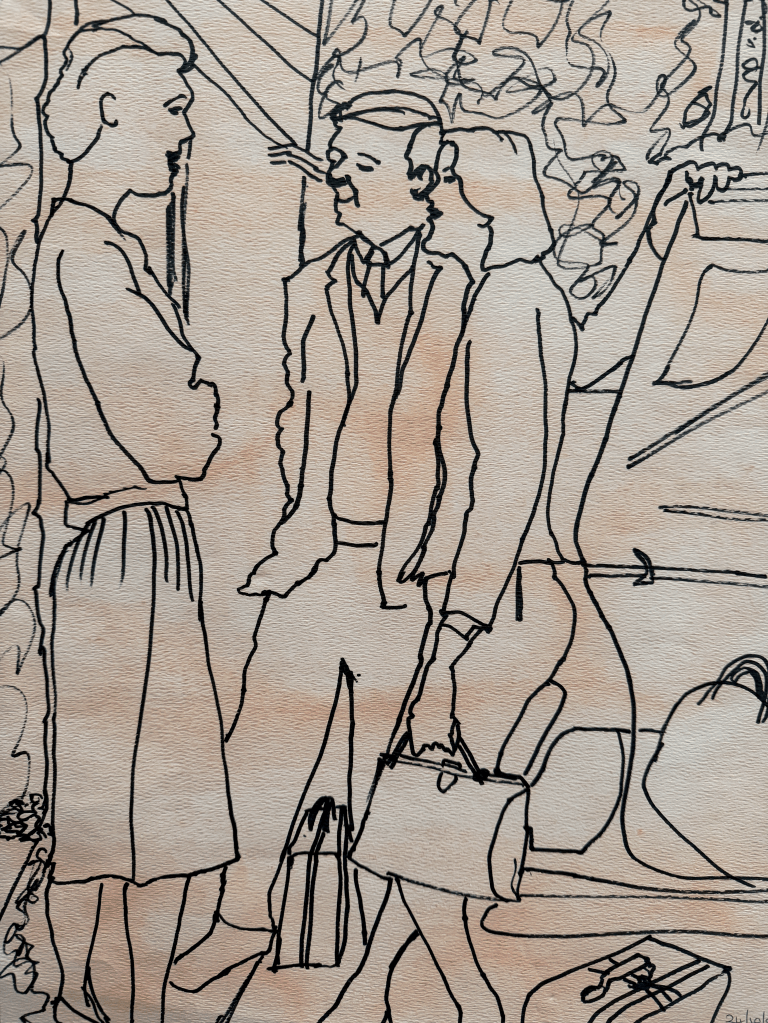
My mother was a gifted artist; this is a sketch from her later years.
In the midst of such tragedy, chaos and fear, what book did my mother receive for her birthday? John Buchan’s The Three Hostages.
Buchan (appointed Governor General of Canada as Lord Tweedsmuir in 1936) was an immensely popular author at the time—he had actually passed away less than a year earlier—and getting a copy of The Three Hostages (first published in 1924) suggests a taste for high-stakes, “gentleman-adventurer” thrillers.
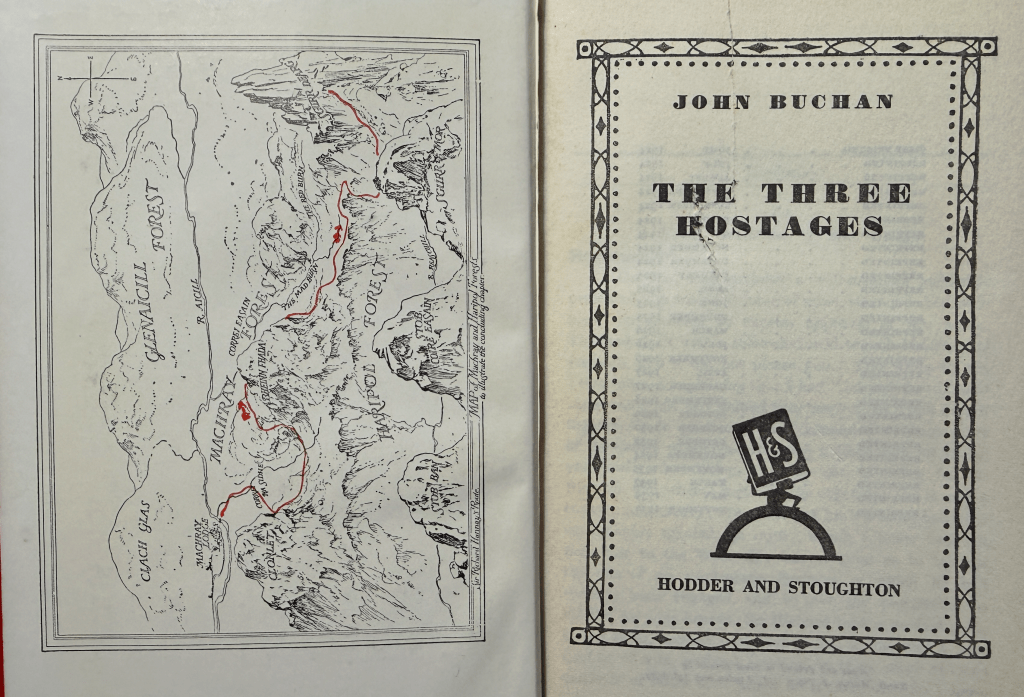
London: Hodder & Stoughton; 27th reprint; November, 1939
As my mother’s birthday fell exactly six days after the introduction of clothes rationing, she would have suddenly found her ability to buy a new birthday outfit restricted by a coupon book.
I suspect a thriller like Buchan’s about international conspiracies and daring escapes would have been a sharp contrast to the barbed wire on the beaches and the sound of sirens and a prized possession—it didn’t require coupons and provided a much-needed mental escape from the reality of the war.
In 1941, reading John Buchan wasn’t just about entertainment; it was often seen as a patriotic act. Buchan’s hero, Richard Hannay, represented the “British pluck” that people were trying to emulate during the Blitz. (Buchan’s most famous book in the five-volume Richard Hannay series, The 39 Steps, was made into a heart-pounding movie by Alfred Hitchcock in 1935):
The Three Hostages involved a post-WWI struggle against a sinister criminal mastermind using hypnosis and global conspiracies. For a young woman working in the high-pressure environment of a wartime insurance office, a story about stopping a hidden enemy would have felt incredibly relevant, even if the setting was the 1920s.
Escapist adventure + patriotism = the perfect respite from day-to-day reality.
In the book, Hannay has to solve a mystery involving a “hidden” enemy and a plot that threatens the nation. For my mother, sitting in a requisitioned school in Eastbourne, listening for the roar of Messerschmitt engines while processing the nation’s health insurance, that sense of being “on the front line” must have felt very real.
Maybe that’s why, later on in the war, she went to work for MI6, keeping up with my Dad’s progress after D-Day, as he made his way through France, Belgium and Holland with the Canadian Signal Corps.
But that’s a story for another day.


Leave a comment