
Back in June and July, to mark the 250th anniversary of the Declaration of Independence, I posted about two great Americans, one a Nobel prize-winning author:
and the other, a legendary composer:
That was one bookend; here is the second.
Several months earlier, I was listening to David Frum of The Atlantic interviewing Stephen Richer, a former Republican county recorder of Maricopa County (Arizona), about the 2020 U.S. Presidential voting process. (Podcasts available on Apple and Youtube.)
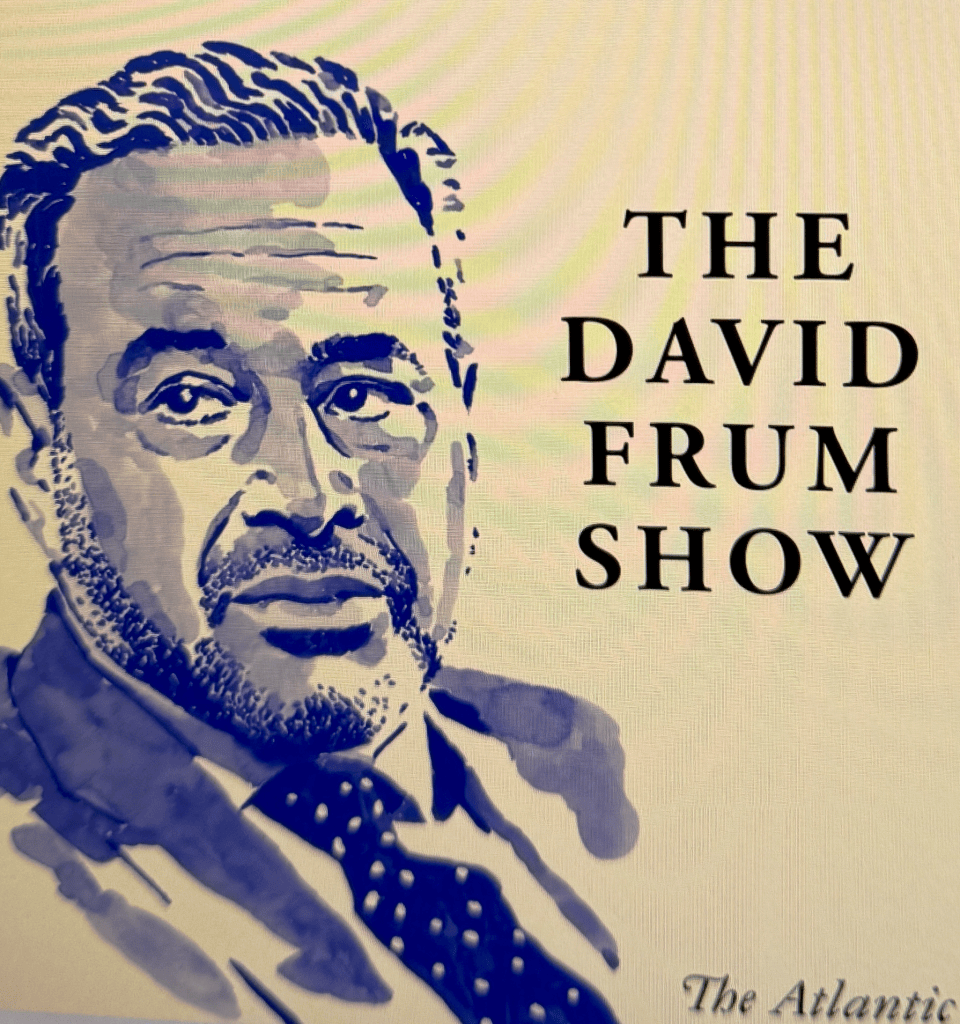
Although the conversation was interesting in itself, what I found even more striking was Frum’s book choice for that day, The Decline and Fall of the Roman Empire, Edward Gibbon’s ground-breaking history, which had been published 250 years earlier, on February 17, 1776!
In other words, the book is as old as America’s Declaration of Independence!
I recalled I’d inherited a copy of the book from my mother when she’d moved out of the family home; an edition called The Portable Gibbon: The Decline and Fall of the Roman Empire (published by Viking Press in 1952; my copy printed in 1969 and costing only $1.85). Since this version condensed all six volumes into one, it must have gone through some serious editing (kudos to editor, Dero A. Saunders, 1914-2002, for both the editing and a fascinating profile of the colorful Gibbon in his introduction).
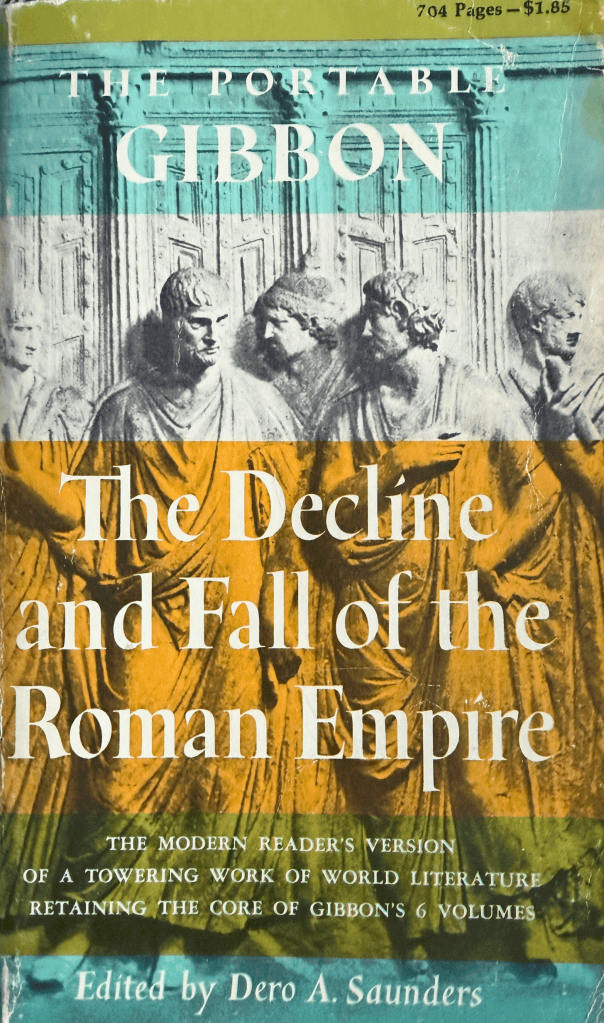
The original publication encompassed a whole six volumes, covering the years 98 to 1590, from the Roman empire’s peak, the history of early Christianity and its emergence as the Roman state religion, the collapse of the Western Roman empire, the rise of Genghis Khan and Tamerlane and, finally the fall of Byzantium.
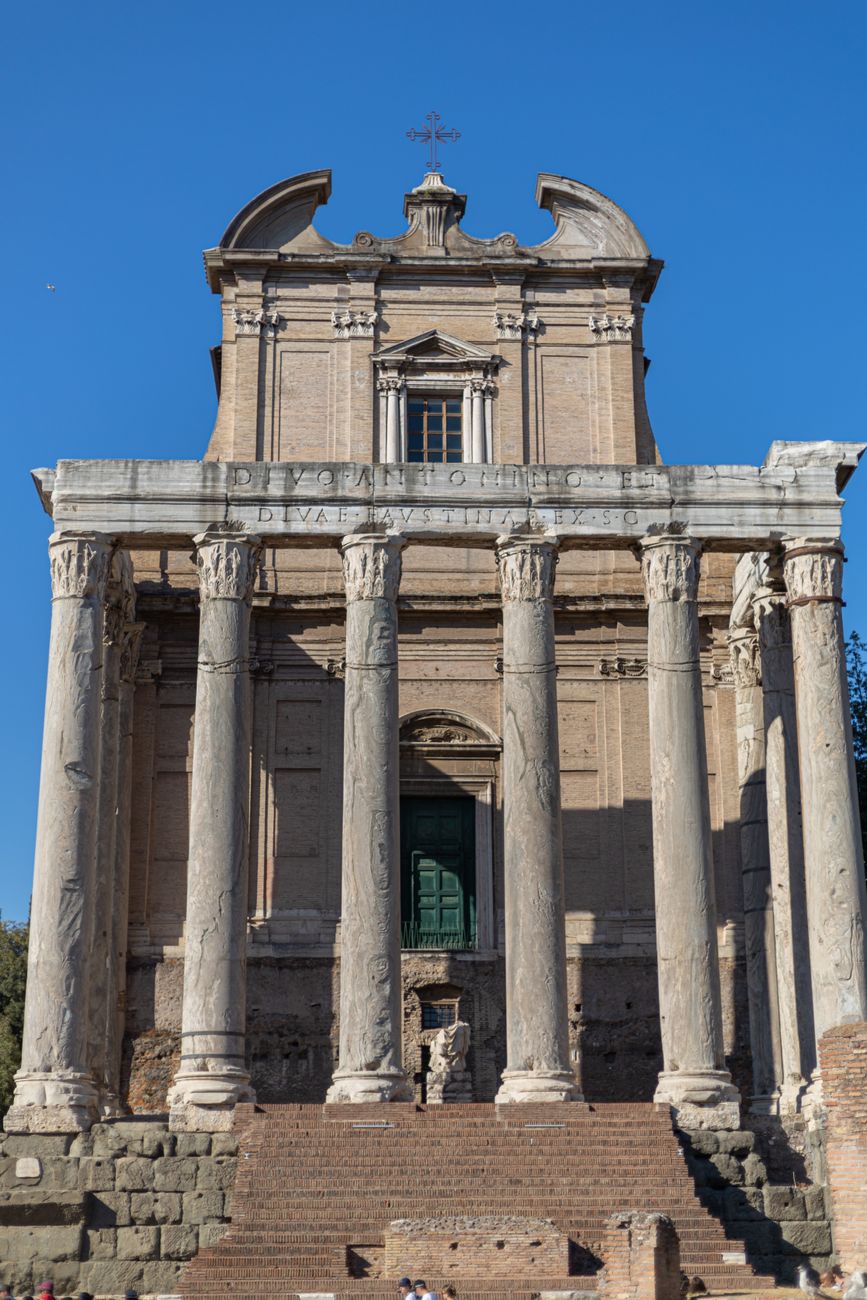
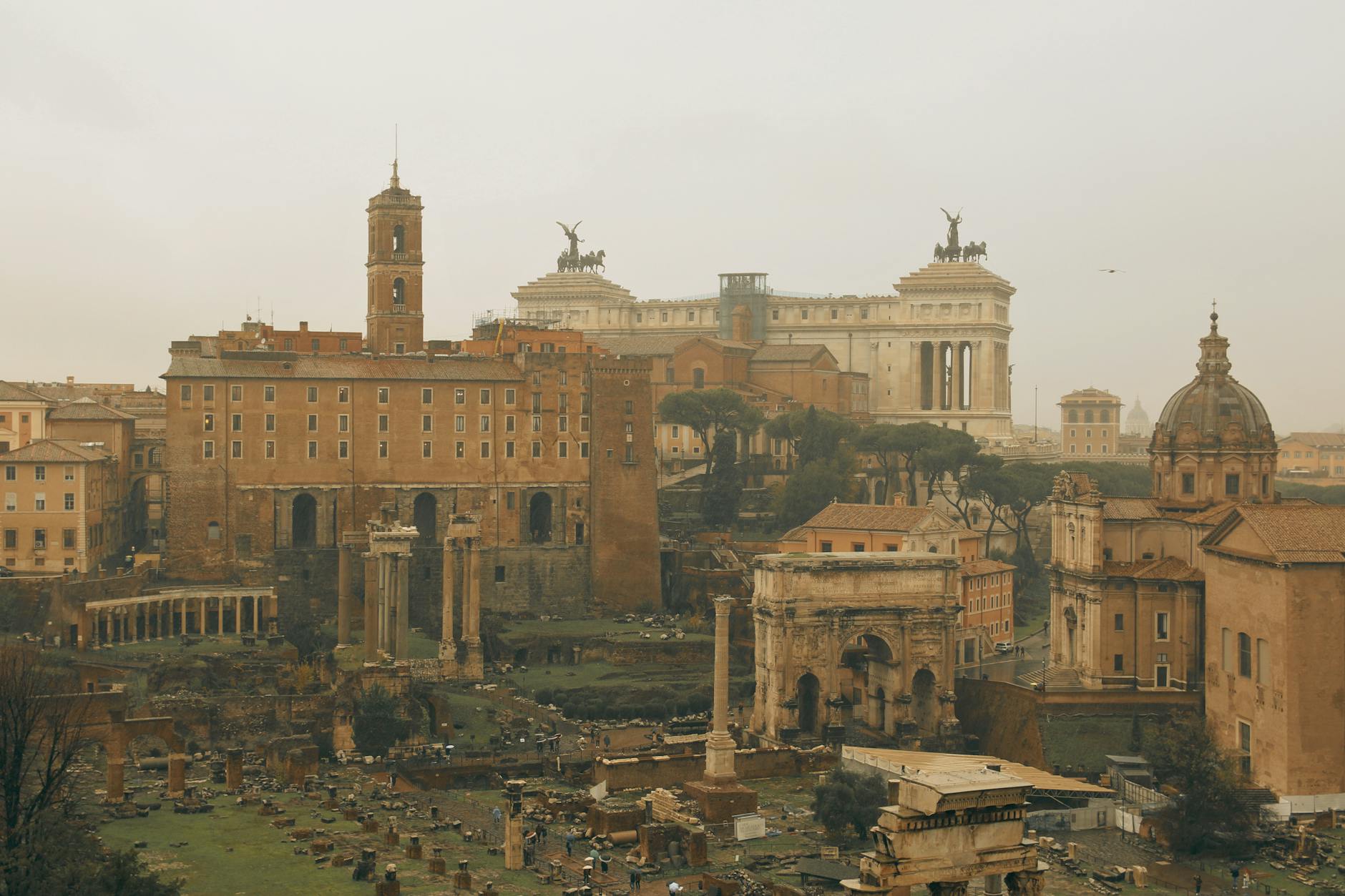
Gibbon records the exact moment the idea strikes him: “It was at Rome, on the 15th October 1764, as I sat musing amid the ruins of the Capitol, while the barefooted friars were singing vespers in the temple of Jupiter, that the idea of writing the decline and fall of the city first started to my mind.” (p. 10)
In a mere three years he’d expanded on that idea to include the whole empire and completed Volume 1. According to my go-to source, Wikipedia, after the first volume was published in February 1776, it was reissued in a succession of six revised editions between 1776 and 1789. Volumes II and III appeared in 1781, and the final three volumes (IV–VI) were issued together in 1788.
The historical coincidence of 1776 is more than a trivia point; it’s also a profound irony. In the same year that Thomas Jefferson penned the ideals of a new republic, Gibbon released the definitive account of how the greatest republic in history withered into an autocracy and eventually collapsed.
As David Frum noted, this timeframe creates an “unsettling parallelism.” The American Founders— men like Adams, Jefferson, and Hamilton —were avid readers of Gibbon. They built the American “operating system” specifically to avoid the “Gibbonian” traps of overextension and moral decay.
In other words, to celebrate 250 years of American independence one must, at the very same time, acknowledge the 250 years of a clock that Gibbon warns is always ticking. The “birth” of 1776 and the “fall” of 1776 are two sides of the same coin: one represents the hope of an experiment, and the other represents the inevitable gravity that pulls on all human institutions.
To understand why Gibbon remains the “big bang” of modern history, one must look at what history was before him. Prior to the late 18th century, history was largely a branch of theology or mythology. It was written to prove the hand of God or to flatter the lineage of a king. Gibbon changed the discipline in three radical ways.
Most importantly, he pioneered the use of primary sources. Gibbon didn’t just repeat the rumors of ancient chroniclers; he examined coins, legal decrees, and physical inscriptions. On top of that, he essentially “invented” the scholarly footnote. These weren’t just citations; they were a battlefield where Gibbon argued with sources, provided evidence, and injected his trademark wit. He turned history into a verifiable science.
The book was a product of its era: the Age of Enlightenment and the scientific revolution. To quote Bob Dylan, the times were “a’changing”. Prior to 1776, suggesting that the rise of Christianity was anything other than a divine miracle was a dangerous act.
Gibbon, however, treated the church as a sociopolitical institution, even going so far as to argue that the focus on the afterlife and the “pacifist” spirit of early Christianity undermined the “civic virtue” and military vigor of the Roman state (a conclusion now generally rejected).
Gibbon proved that history could also be a literary masterpiece. His prose is architectural— balanced, sturdy, and elegant. He used “Gibbonian irony” to deliver devastating critiques of human error wrapped in polite language. When he wrote that history is “little more than the register of the crimes, follies, and misfortunes of mankind,” he wasn’t just being cynical; he was challenging the reader to look at the past with a cold, analytical eye rather than a sentimental one.
In his modern assessment, Frum highlights a significant danger in how we read Gibbon today. Gibbon often “moralized” history, attributing Rome’s fall to a loss of “virtue” or an increase in “decadence.” Frum warns that this narrative is frequently weaponized by modern authoritarians.
When political movements today speak of “restoring a lost golden age” or hunting for “internal moral enemies” to explain national struggles, they use a distorted version of Gibbon’s template. Frum argues that Rome didn’t fall because people became “soft” or “immoral”; it fell because its systems—its borders, its economy, and its bureaucracy—could no longer handle its scale.
It’s not that a nation has become “decadent” in the Roman sense, but that its institutions are experiencing a “gradual erosion.” Frum suggests that the real threat to a superpower isn’t a sudden invasion by “barbarians at the gate,” but the normalization of corruption and the abandonment of the rule of law.
To read Gibbon in 2026 is to realize that “decline” is rarely a cliff; it’s more like a slope. The 250th anniversary serves as a reminder that the price of independence is not just about achieving success in 1776, but preventing the rot of the institutions that sustain it every year thereafter.
For a more detailed look at the lessons to be learned from Ancient Rome, here is Cambridge Professor Mary Beard’s take (from August, 2025):
Finally, let me leave you a few more examples of Gibbon’s sharp 18th-century insights that still capture timeless truths about power, human behavior, and institutional decay:
- “Revenge is profitable, gratitude is expensive.” A biting observation on realpolitik and personal human dynamics—retribution often yields quick short-term gains or political clout, while maintaining loyalty requires ongoing effort and investment.
- “The principles of a free constitution are irrecoverably lost, when the legislative power is nominated by the executive.” This warning about the erosion of checks and balances remains a core topic in modern political science and constitutional law.
- “The various modes of worship, which prevailed in the Roman world, were all considered by the people, as equally true; by the philosopher, as equally false; and by the magistrate, as equally useful.” It highlights the transactional relationship between state power, public belief, and social cohesion—a dynamic still visible in modern political discourse surrounding religion and culture.
- “As long as mankind shall continue to bestow more liberal applause on their destroyers than on their benefactors, the thirst of military glory will ever be the vice of the most exalted characters.” It cuts straight to human media consumption and historical memory, noting how societies routinely celebrate sensational disruptors and warmongers over those who build or preserve peace.
- “Conversation enriches the understanding, but solitude is the school of genius.” Social interaction broadens your knowledge and sharpens your thinking through exposure to different ideas. However, true breakthrough insights and original synthesis require uninterrupted solitude to process those ideas and build something uniquely original.

Leave a comment